
If you’ve ever come across a tiny baby bird, helpless and chirping for food, you probably felt two things at once concern and confusion. The biggest question most beginners ask is simple: how often to feed baby birds?
The truth is, feeding a baby bird isn’t like feeding a cat or dog. It requires timing, patience, and a bit of understanding about how these little creatures grow. Feed them too little, and they become weak. Feed them too much, and you can actually harm them.
So let’s break this down in a simple, real-world way so you can confidently care for a baby bird
Why Baby Birds Need Frequent Feeding
Baby birds grow incredibly fast. In just a few weeks, they go from featherless and blind to flying on their own. That kind of growth requires constant energy, which means frequent feeding.
Unlike adult birds, baby birds:
- Cannot store much food
- Digest food very quickly
- Depend completely on caregivers
This is why feeding them at the right intervals is critical.
So, How Often Should You Feed Baby Birds?
The answer depends mainly on their age. Let’s go step by step.
Newly Hatched (0–3 Days Old)
At this stage, baby birds are extremely delicate.
You’ll need to feed them every 15–20 minutes from sunrise to sunset. Yes, it’s that frequent and it can feel overwhelming at first.
They usually keep their eyes closed and rely completely on you. If they’re hungry, they’ll open their mouths wide automatically.
Important: Don’t feed at night unless absolutely necessary.
3–7 Days Old
As they grow a little stronger, their feeding timing slightly changes.
Now you should feed them every 20–30 minutes.
You’ll notice:
- More movement
- Stronger feeding response
- Slight development in their body
They still need a lot of care, but you’ll start getting used to the routine.
🪶 1–2 Weeks Old (Nestling Stage)
This is when feathers begin to appear.
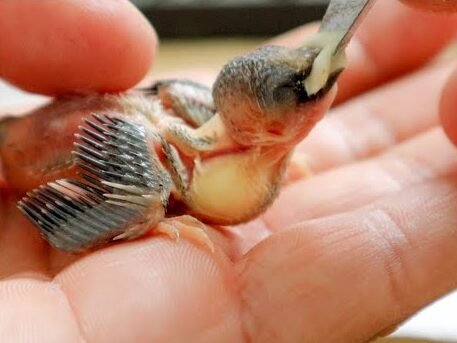
Feeding frequency becomes every 30–45 minutes.
At this stage:
- They become more active
- Their appetite increases
- They start reacting to sound and movement
You still need to stay consistent, but the pressure slightly reduces compared to newborn stage.
2–3 Weeks Old
Now your baby bird is growing fast and looking more like a real bird.
You can feed them every 1 hour.
They start:
- Stretching wings
- Moving around more
- Becoming stronger overall
This is a fun stage because you can actually see their progress daily.
3–4 Weeks Old (Fledgling Stage)
Now comes the exciting part independence.
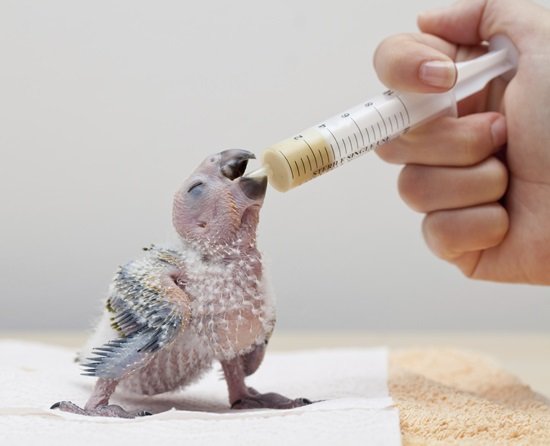
Feeding drops to every 2–3 hours, and you can begin introducing solid food.
They may:
- Try to peck food themselves
- Hop around
- Attempt short flights
Slowly, they’ll rely less on you.
What Should You Feed Baby Birds?
Feeding frequency alone isn’t enough the food itself matters a lot.
Good options include:
- Soft insects like mealworms
- Soaked pet food (dog or cat food works surprisingly well)
- Mashed boiled eggs
- Special baby bird formula
Always make sure the food is soft and easy to swallow.
What NOT to Feed
Many beginners make dangerous mistakes here.
Avoid:
- Milk (birds cannot digest it)
- Bread (no real nutrition)
- Plain water directly (risk of choking)
Instead, keep food slightly moist so they stay hydrated.
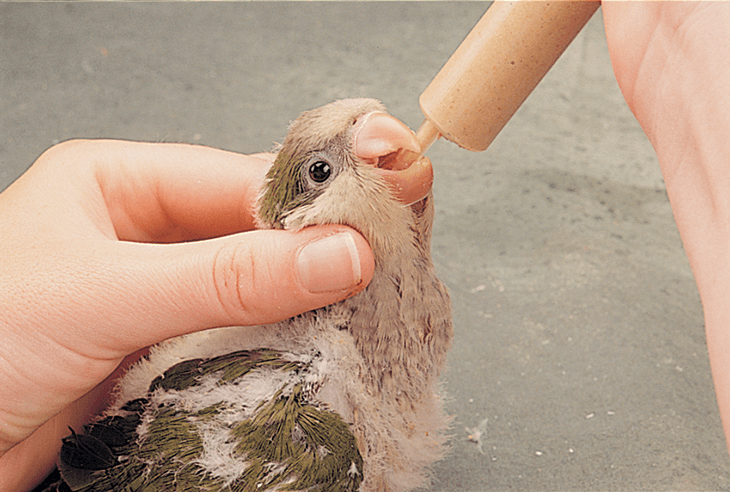
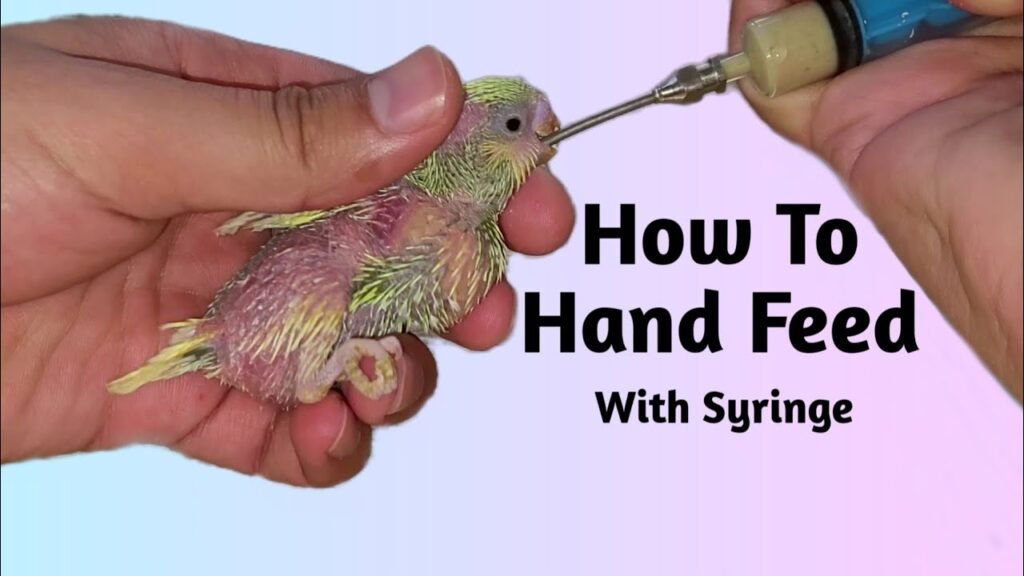
How to Feed Baby Birds (Simple Method)
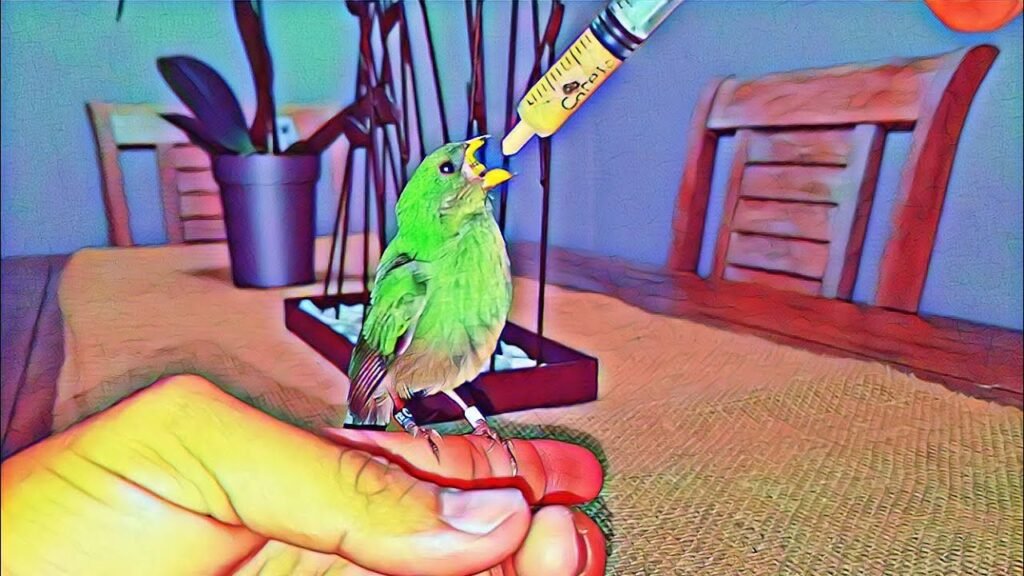
You don’t need fancy tools.
You can use:
- A small syringe
- A dropper
- Even a soft spoon
Easy Steps:
- Hold the bird gently
- Wait for it to open its mouth
- Place small amounts of food inside
- Stop when the crop (throat area) looks full
Never force food that’s one of the biggest mistakes.
Common Mistakes to Avoid
Let’s be real most people mess up here.
Overfeeding
- Crop becomes too full and hard
- Food may come back out
- Can be dangerous
Underfeeding
- Constant loud chirping
- Weakness
- Slow growth
Balance is everything.
Extra Care Tips
Feeding alone is not enough. Baby birds also need:
- Warm environment
- Clean space
- Minimal stress
- Proper rest
If a baby bird is cold, it won’t digest food properly no matter how often you feed it.
Final Thoughts
Caring for a baby bird can feel scary at first, but once you understand their feeding routine, it becomes much easier.
The key takeaway is simple:
Younger birds = more frequent feeding
Older birds = less frequent feeding
Stick to the right schedule, provide proper food, and handle them gently and you’ll give that tiny bird the best chance to grow strong and healthy.