
Training a reactive dog at home can feel overwhelming, especially when your furry friend reacts strongly to other dogs, strangers, or loud noises. Reactive behavior doesn’t mean your dog is aggressive it simply means they are highly sensitive to certain triggers. With the right techniques and a consistent approach, you can help your dog stay calm, focused, and well-behaved in everyday situations. This guide will walk you through step-by-step methods, practical tips, and common mistakes to avoid, so you can train your reactive dog safely and effectively from the comfort of your home.
What is a Reactive Dog?
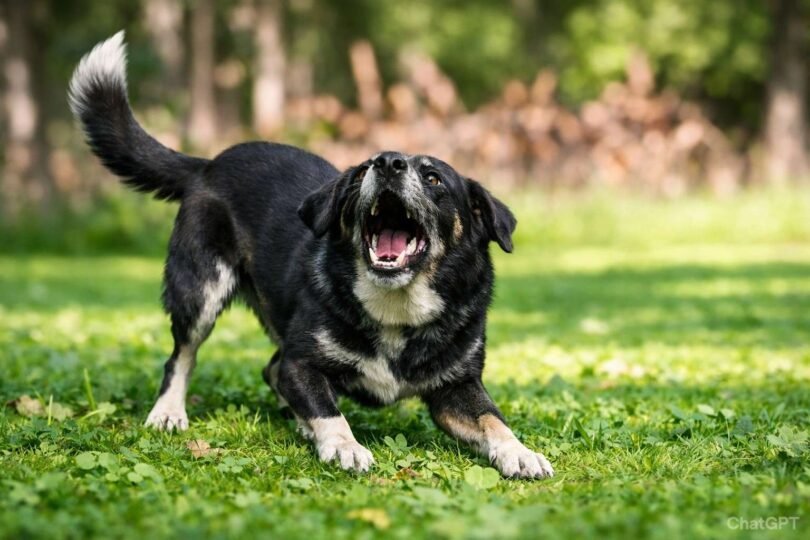
A reactive dog is one that responds to certain triggers with intense behaviors like barking, lunging, growling, or spinning. Unlike aggressive dogs, reactive dogs usually react out of fear, excitement, or over-stimulation rather than a desire to harm. Common triggers include other dogs, strangers, loud noises, or sudden movements. Understanding that your dog’s reactions are natural responses, not intentional misbehavior, is the first step toward effective training. By identifying these triggers and using consistent, positive techniques, you can help your dog remain calm and controlled in situations that once caused stress.
Common Triggers for Reactive Behavior
Other Dogs
Many reactive dogs bark, lunge, or growl when they see other dogs. This can be due to fear, frustration, or over-excitement. Controlled exposure and positive reinforcement can help reduce this reaction over time.
Loud Noises
Thunder, fireworks, or construction sounds can trigger stress in reactive dogs. Creating a safe space and gradually desensitizing your dog to these noises helps them stay calm.
Strangers
Some dogs react when new people approach. Training your dog to focus on you, using treats and commands, can prevent unwanted reactions.
Small Children
Fast movements and unpredictable behavior of children can trigger reactivity. Teaching your dog calm behavior and supervision during interactions is essential.
Tools You’ll Need at Home
Training a reactive dog at home requires some essential tools to make the process safe and effective. Start with a sturdy leash and harness to maintain control without causing discomfort. Keep high-value treats handy for positive reinforcement during training sessions. A clicker can be used if you prefer clicker training, as it marks desired behavior clearly. Make sure you have a quiet, calm environment with minimal distractions to help your dog focus. With these basic tools, you can set up a successful home training routine that encourages calm, controlled behavior.
Step-by-Step Training Methods
Training a reactive dog at home requires patience, consistency, and the right approach. By following these step-by-step methods, you can help your dog remain calm and well-behaved even when facing triggers.
Step 1: Identify Triggers
Before starting any training, observe your dog carefully to identify what causes reactive behavior. It could be other dogs, strangers, loud noises, or sudden movements. Note down each trigger and the intensity of your dog’s reaction. Understanding these triggers helps you plan safe and controlled training sessions.
Step 2: Controlled Exposure
Gradually expose your dog to their triggers in a controlled environment. For example, if your dog reacts to other dogs, start at a distance where your dog notices the other dog but remains calm. Slowly decrease the distance over multiple sessions while ensuring your dog stays relaxed. Controlled exposure prevents overwhelming your dog and allows gradual learning.
Step 3: Positive Reinforcement
Reward calm behavior immediately using treats, praise, or toys. Positive reinforcement teaches your dog that staying calm leads to rewards. Avoid punishment, as it increases stress and may worsen reactivity. Timing is key—give the reward the moment your dog demonstrates the desired behavior.
Step 4: Teach Alternative Behaviors
Replace reactive behavior with positive alternatives. Train your dog to sit, focus, or move away when a trigger appears. Using commands like “watch me” or “sit” redirects attention from the trigger and encourages control. Practice these alternative behaviors consistently so your dog associates triggers with calm responses.
Step 5: Gradually Increase Distractions
Once your dog handles controlled exposure, slowly introduce more challenging environments with additional distractions. For example, take your dog for short walks where triggers might appear at a distance, rewarding calm behavior throughout. Gradually increasing difficulty strengthens your dog’s training and confidence.
Step 6: Consistency and Patience
Consistency is crucial in training reactive dogs. Keep sessions short but regular, practicing daily if possible. Avoid rushing progress; small, consistent steps lead to long-term success. Patience and calm energy from you will reflect in your dog’s behavior.
By following these steps carefully, you can train your reactive dog safely at home, reduce stress, and encourage calm, controlled reactions in various situations.
Mistakes to Avoid
Training a reactive dog at home can be challenging, and avoiding common mistakes is key to success. One major mistake is punishing your dog for reactive behavior. Punishment increases fear and stress, often making reactivity worse. Instead, focus on positive reinforcement for calm behavior.
Another common error is overexposing your dog to triggers too soon. For example, taking a reactive dog into a busy park without gradual training can overwhelm them and set back progress. Always start with controlled, low-intensity exposure and increase difficulty gradually.
Inconsistency is another problem. Skipping training sessions or using different commands confuses your dog and slows progress. Stick to a regular schedule, use the same commands, and reward consistently.
Finally, neglecting breaks and patience can lead to frustration for both you and your dog. Short, frequent sessions are more effective than long, exhausting ones.
By avoiding these mistakes, you create a positive, structured environment that helps your dog learn calm and controlled behavior successfully.
Maintaining Calm and Consistency
Maintaining calm and consistency is essential when training a reactive dog at home. Dogs are highly sensitive to your energy and emotions, so staying calm yourself helps them remain relaxed. Always use a steady tone of voice and avoid showing frustration, even if progress seems slow.
Consistency means following the same training methods, commands, and rewards every session. Short, daily training sessions are more effective than occasional long sessions. Keep track of your dog’s progress, noting which triggers are improving and which need more attention.
By combining patience, calm energy, and consistent training, your dog will gradually learn to respond calmly to triggers. Over time, these habits become ingrained, leading to a happier, more confident, and well-behaved pet at home.
Conclusion
Training a reactive dog at home takes patience, consistency, and the right approach. By identifying triggers, using controlled exposure, rewarding calm behavior, and avoiding common mistakes, you can help your dog stay relaxed and well-behaved. Remember, small daily steps and a calm, consistent routine make the biggest difference. With dedication and positive reinforcement, your reactive dog can learn to manage their reactions, leading to a happier and more confident companion.