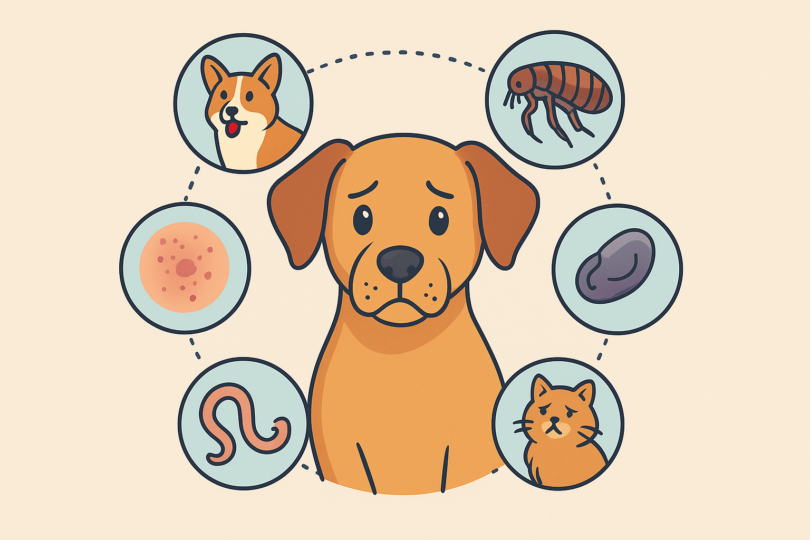

Pet diseases are a major concern for every pet owner. Just like humans, pets can suffer from many health problems, from mild infections to serious diseases. Knowing about common pet diseases, their symptoms, and prevention methods can help you keep your pet healthy and happy.
What Are Pet Diseases?
Pet diseases are illnesses that affect animals such as dogs, cats, rabbits, birds, and other pets. These diseases can be caused by bacteria, viruses, parasites, poor diet, lack of hygiene, or weak immunity. Some pet diseases spread from one animal to another, while others develop due to bad care or unhealthy food.
Common Pet Diseases
1. Parvovirus (in Dogs)
Parvovirus is a dangerous viral infection that mainly affects puppies.
Symptoms:
- Severe vomiting
- Bloody diarrhea
- Weakness
- Loss of appetite
Prevention:
- Timely vaccination
- Clean environment
- Avoid contact with infected dogs
2. Rabies
Rabies is one of the most serious pet diseases and can spread to humans.
Symptoms:
- Aggressive behavior
- Excessive drooling
- Fear of water
- Paralysis in later stages
- Regular rabies vaccination
- Keep pets away from wild animals
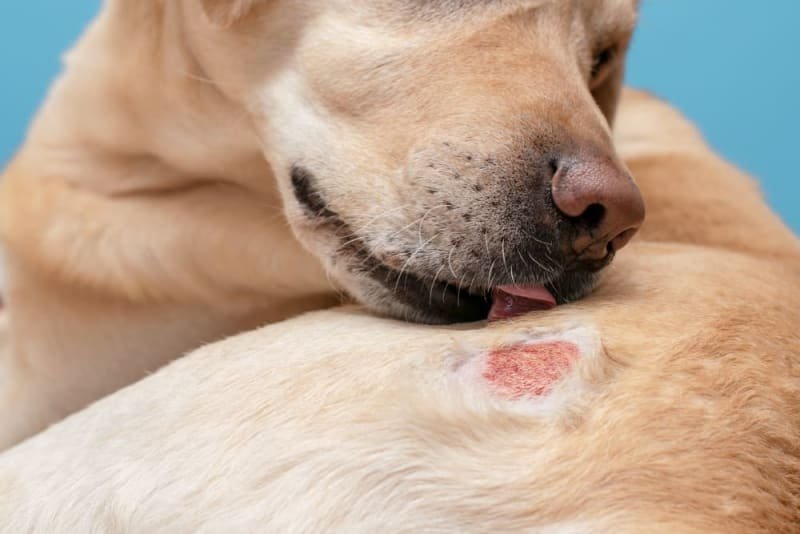
3. Fleas and Ticks
Fleas and ticks are common parasites that cause itching and skin problems.
Symptoms:
- Constant scratching
- Red skin
- Hair loss
- Small black dots in fur
Prevention:
- Use anti-flea shampoos
- Regular grooming
- Clean pet bedding
4. Worm Infections
Worms like roundworms and tapeworms live inside the pet’s stomach.
Symptoms:
- Weight loss
- Swollen belly
- Vomiting worms
- Diarrhea
Prevention:
- Deworming medicine every few months
- Clean food and water
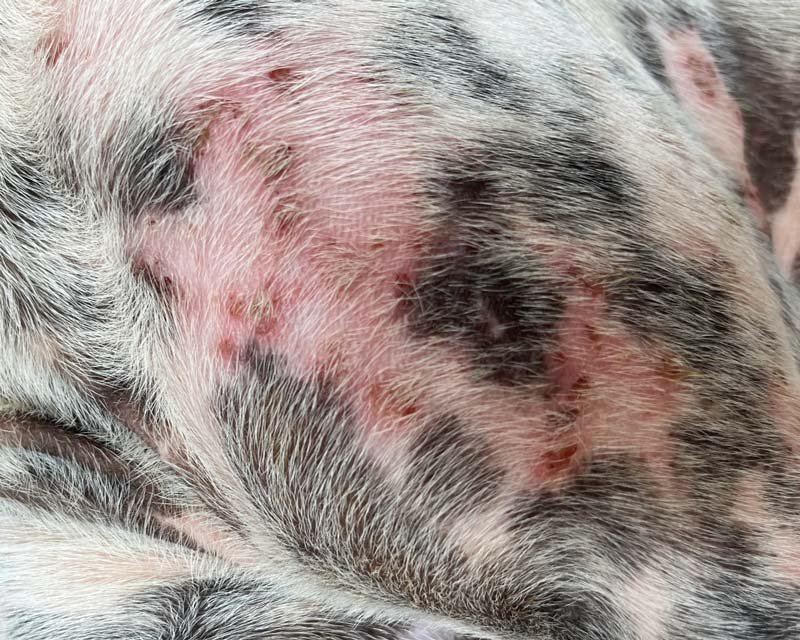
5. Skin Diseases
Skin problems are very common pet diseases.
Symptoms:
- Rashes
- Dry or oily skin
- Hair fall
- Bad smell
- Regular baths
- Healthy diet
- Clean living area
Signs Your Pet May Be Sick
You should never ignore these warning signs:
- Not eating or drinking
- Sleeping more than usual
- Vomiting or diarrhea
- Coughing or sneezing
- Sudden behavior change
- Limping or pain
If you see any of these signs, take your pet to a vet immediately.
How to Prevent Pet Diseases
1. Vaccination
Vaccines protect pets from deadly pet diseases like rabies, parvo, and distemper. Always follow the vet’s vaccination schedule.
2. Proper Diet
Good food builds strong immunity.
- Give balanced pet food
- Avoid junk or spicy human food
- Provide clean water
3. Clean Environment
A dirty place causes many pet diseases.
- Clean pet bed regularly
- Wash bowls daily
- Remove waste quickly
4. Regular Vet Checkups
Even if your pet looks healthy, take them for a checkup every 6–12 months. Early detection saves lives.
5. Grooming
Grooming helps prevent skin and parasite problems.
- Brush fur
- Cut nails
- Clean ears and teeth
Can Pet Diseases Spread to Humans?
Yes, some pet diseases are zoonotic, meaning they can spread to humans. Examples include:
- Rabies
- Ringworm
- Worm infections
That’s why hygiene is very important. Always wash hands after touching pets, and keep their living area clean.
Importance of Pet Health Awareness
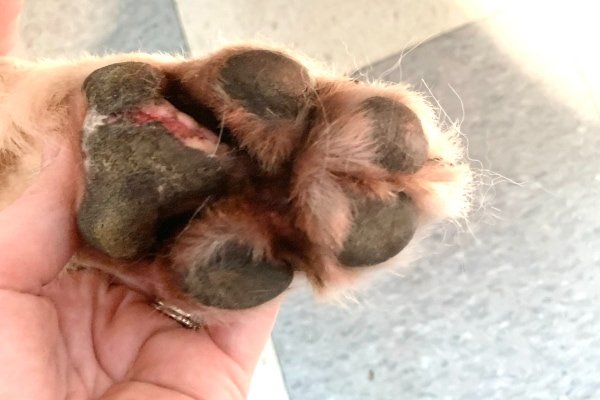
Many pets suffer because owners don’t understand pet diseases. Learning about common illnesses helps you:
- Save vet costs
- Prevent serious problems
- Increase pet’s life
- Keep family safe
A healthy pet is a happy pet, and a happy pet makes the owner happy too.
Conclusion
Pet diseases are common but many of them can be prevented with good care. Regular vaccination, clean environment, healthy food, and vet visits are the best ways to protect your pet. Always watch your pet’s behavior, because small changes can be early signs of big problems.
By understanding pet diseases, you can give your pet a long, healthy, and joyful life.