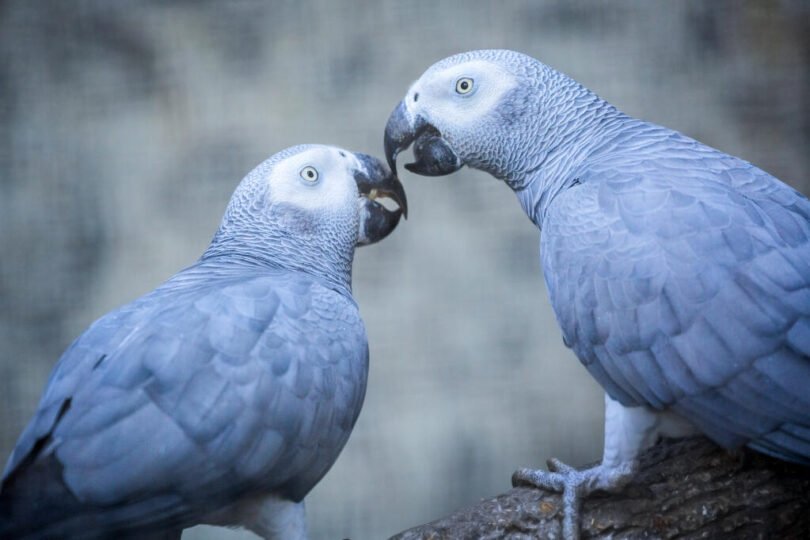

African grey parrots are one of the most intelligent and fascinating birds in the world. Anyone who’s ever spent time with one knows they are not just pets they’re family. But if you’re thinking about bringing an African grey into your life, one question comes up almost immediately: how long do African grey parrots live?
The answer might surprise you. These birds can live for decades, and with the right care, they can even outlive many of your other pets. In this guide, I’ll break down everything you need to know about African grey parrot age expectancy, what affects their lifespan, and how to ensure your feathered friend stays happy and healthy for as long as possible.
How Long Do African Grey Parrots Live?
On average, African grey parrots live between 40 to 60 years in captivity. Some birds have been reported to live 65 to 70 years with excellent care.
How Long Do African Grey Parrots Live.
That’s longer than most dogs, cats, and even some humans’ expected lifespans! If you think about it, adopting an African grey parrot is a lifelong commitment possibly spanning multiple decades.
If you’re wondering “how long do parrots live, especially African grey parrots?”, the answer is clear: they live a very long time, but only if given proper attention, care, and love.
African Grey Parrot Lifespan: Wild vs Captivity
In the Wild
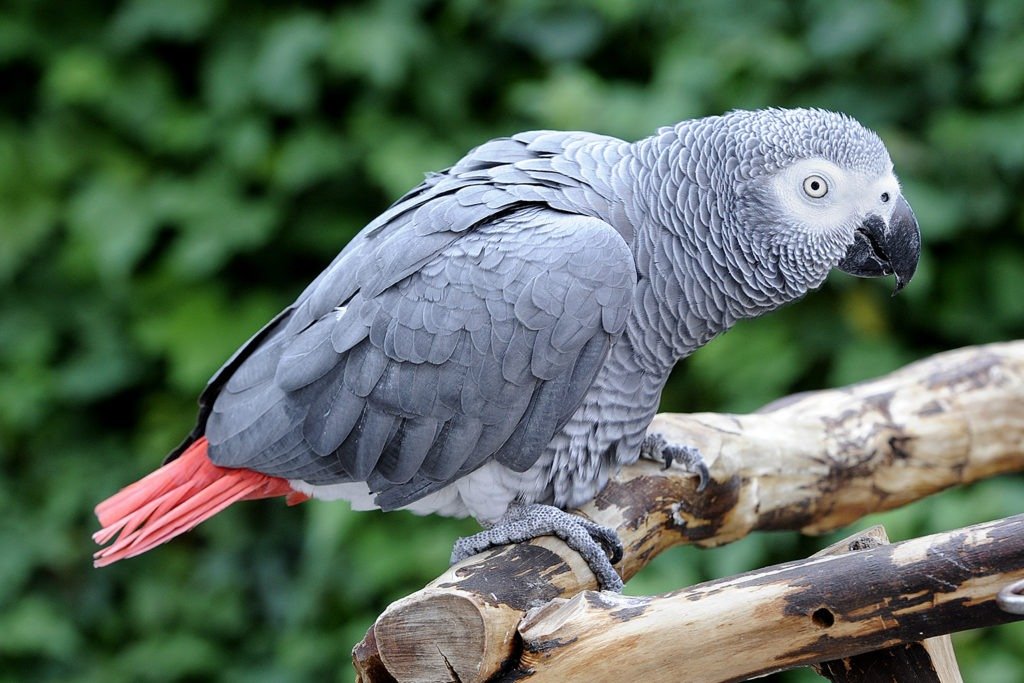
African grey parrots in their natural habitat usually live 20 to 30 years. Their lifespan is shorter in the wild because of:
- Predators
- Food shortages
- Harsh weather conditions
- Diseases
Nature is beautiful, but it’s not always forgiving. These challenges mean that birds in the wild rarely reach the ages that captive parrots can achieve.
In Captivity
In a home environment, African grey parrots can easily double their lifespan. With proper nutrition, a safe living space, mental stimulation, and regular veterinary care, many captive African greys reach 50–60 years, and some even go beyond that.
Factors That Affect African Grey Parrot Lifespan
Several key factors determine how long your African grey parrot will live. Understanding these will help you give your bird the best life possible.
1. Diet
Diet is perhaps the most important factor. African greys are sensitive eaters, and what you feed them affects their health and lifespan.
A proper diet includes:
- High-quality pellets as the main food
- Fresh vegetables like spinach, carrots, broccoli, and peppers
- Fresh fruits in moderation
- Seeds only as occasional treats
Avoid a seed-only diet it may seem convenient, but it lacks essential nutrients and can lead to serious health problems over time.
2. Mental Stimulation
African grey parrots are among the smartest birds in the world. They can learn hundreds of words, mimic sounds, solve puzzles, and even understand basic concepts.
A bored African grey can develop
- Feather plucking
- Aggression or excessive screaming
- Depression
Providing toys, puzzles, and daily interaction is crucial for their mental well-being. This not only keeps them happy but also extends their lifespan.
3. Social Interaction
African greys are social animals. They form strong emotional bonds with their owners and thrive on attention.
Loneliness can negatively affect their health, leading to stress and behavioral problems. Ideally, spend at least 30–60 minutes a day interacting with your parrot—talk, play, or train them.
4. Cage Size and Environment
The living environment is another critical factor. A cramped or dirty cage can reduce your parrot’s lifespan.
Your African grey’s cage should:
- Be large enough to stretch wings fully
- Include perches and toys for exercise and mental stimulation
- Be kept clean and free from smoke or strong chemicals
- Offer natural light, but not direct harsh sunlight all day
A comfortable environment helps your parrot live a long, stress-free life.
5. Veterinary Care
Regular checkups with an avian vet are essential. African grey parrots can hide symptoms of illness until it’s too late.
Common issues that can be prevented with checkups include:
- Vitamin deficiencies
- Respiratory infections
- Feather or skin problems
- Digestive issues
Early detection can save years of life and ensure your bird remains healthy.
Signs of a Healthy African Grey
A healthy African grey parrot usually shows:
- Bright, alert eyes
- Smooth, shiny feathers
- Active curiosity and playfulness
- Clear appetite
- Clear vocalizations
If your bird is energetic, curious, and interacting with you, you’re doing a great job as an owner.
Common Mistakes That Reduce Lifespan
Even well-meaning owners sometimes make mistakes that reduce their parrot’s lifespan.
Avoid:
- Feeding only seeds
- Ignoring mental stimulation
- Leaving your parrot alone for long periods
- Exposure to smoke, kitchen fumes, or harsh chemicals
- Skipping veterinary visits
Small, repeated mistakes can shorten your bird’s life by many years.
Is an African Grey Right for You?
Before adopting one, ask yourself honestly:
- Can I commit for 40–60 years?
- Do I have time for daily interaction and mental stimulation?
- Am I prepared financially and emotionally for long-term care?
These birds are amazing, but they are not casual pets. Many African greys are rehomed because owners underestimate their lifespan and needs.
Fun Facts About African Grey Parrots
- They are considered one of the most intelligent birds in the world
- Some can learn over 200 words and sounds
- They can mimic human speech perfectly, even tones and accents
- African greys can form deep emotional bonds and remember owners for decades
Knowing these facts can help you understand why they need so much care and attention.
Final Thoughts: How Long Do African Grey Parrots Live?
African grey parrots are incredible, long-living companions. With proper care, attention, and love, they can live 40–60 years or more. They reward their owners with intelligence, loyalty, and companionship like no other pet.
Before adopting, make sure you are ready for a lifetime commitment. If you are, an African grey parrot could become a beloved family member for decades.
Remember, they are not just pets they are friends for life.