
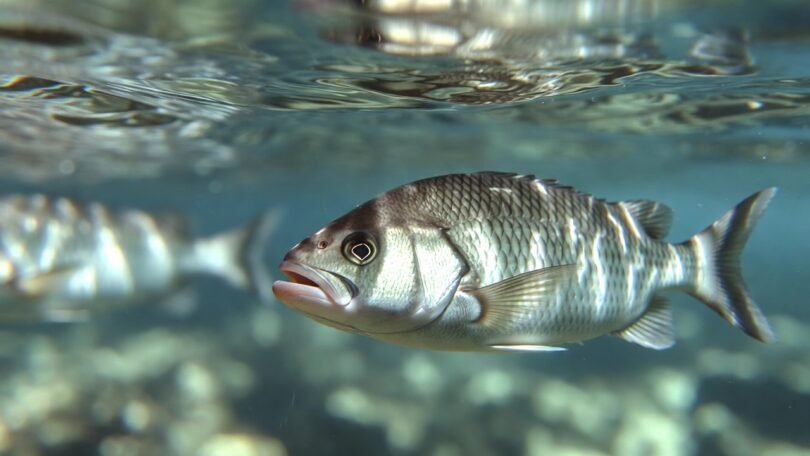

Fish care is a rewarding hobby, but it requires knowledge, patience, and consistency. Many people buy fish thinking they are low-maintenance pets, only to lose them within weeks due to poor care. Proper fish care is not difficult, but it does demand attention to detail. From choosing the right fish to maintaining water quality, every step plays a role in keeping your fish healthy and stress-free.
This detailed guide covers everything you need to know about fish care, whether you are a beginner or someone looking to improve your aquarium skills.
Understanding the Basics of Fish Care
Fish care starts with understanding that fish live in a closed environment. Unlike rivers or oceans, aquarium water does not clean itself. Everything you do or don’t do directly affects your fish.
Good fish care focuses on:
- Stable water conditions
- Proper feeding habits
- A suitable tank environment
- Regular maintenance
When these basics are handled correctly, fish can live long, colorful, and active lives.
Choosing the Right Fish for Your Aquarium
Not all fish are suitable for beginners. Some species are delicate and require very specific conditions.
Best Fish for Beginners
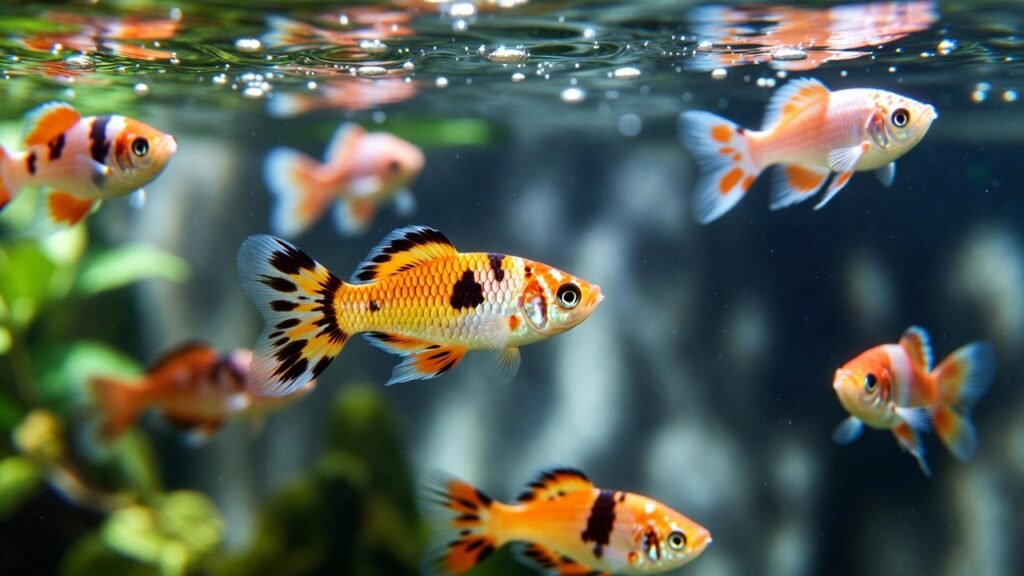
If you are new to fish care, start with hardy species such as:
- Guppies
- Mollies
- Platies
- Zebra danios
- Goldfish (with proper tank size)
These fish adapt easily and tolerate small mistakes better than sensitive species.
Avoid These Fish as a Beginner
- Discus fish
- Marine fish
- Wild-caught species
- Aggressive or territorial fish
Choosing the right fish is one of the most important steps in successful fish care.
Setting Up the Aquarium the Right Way
A proper aquarium setup lays the foundation for good fish care.
Choosing the Right Tank Size
Bigger tanks are easier to maintain. A 10–20 gallon tank is ideal for beginners because water conditions stay more stable.
Essential Aquarium Equipment
- Filter: Removes waste and toxins
- Heater: Maintains stable temperature for tropical fish
- Thermometer: Helps monitor water temperature
- Lighting: Supports fish activity and plant growth
- Substrate: Gravel or sand for beneficial bacteria
Avoid placing the tank near windows or heat sources.
Water Quality: The Core of Fish Care
Water quality is the heart of fish care. Poor water conditions are the main cause of fish stress and death.
Important Water Parameters
- Temperature: 22–28°C (species dependent)
- pH Level: Usually between 6.5 and 7.5
- Ammonia: 0 ppm
- Nitrite: 0 ppm
- Nitrate: Below 40 ppm
Use a water test kit weekly to ensure safe conditions.
Water Changes
Perform 20–30% water changes every week. This removes toxins and keeps fish healthy. Always use dechlorinated water.
The Nitrogen Cycle Explained Simply
Understanding the nitrogen cycle is essential for proper fish care.
Fish waste produces ammonia, which is toxic. Beneficial bacteria convert ammonia into nitrite and then into nitrate. Nitrate is less harmful and removed through water changes.
Never add fish to an uncycled tank. Cycling your aquarium before adding fish prevents sudden deaths.
Feeding Your Fish Properly
Feeding mistakes are common in fish care.
How Often Should You Feed Fish?
- Feed once or twice daily
- Only give what fish can eat in 2–3 minutes
Choosing the Right Food
- Use high-quality flakes or pellets
- Match food to fish species
- Offer frozen or live food occasionally
Overfeeding causes dirty water, disease, and algae problems.
Aquarium Maintenance and Cleaning Routine
Consistent maintenance keeps your aquarium balanced.
Weekly Maintenance
- Partial water change
- Clean algae from glass
- Check filter flow
Monthly Maintenance
- Rinse filter media in tank water
- Inspect equipment
- Trim live plants
Never wash filter media with tap water, as it kills beneficial bacteria.
Fish Health and Disease Prevention
Good fish care focuses on prevention rather than treatment.
Signs of a Healthy Fish
- Bright colors
- Active swimming
- Normal appetite
Common Signs of Illness
- White spots
- Torn fins
- Lethargy
- Gasping at the surface
Preventing Disease
- Quarantine new fish
- Maintain clean water
- Avoid overcrowding
- Feed a balanced diet
Early detection saves fish lives.
Tank Mates and Compatibility
Mixing incompatible fish leads to stress and aggression.
Tips for Fish Compatibility
- Research fish behavior
- Avoid mixing aggressive and peaceful species
- Keep similar water requirements together
Peaceful fish live longer and display natural behavior.
Aquarium Lighting and Its Importance
Lighting affects fish health, plant growth, and algae control.
- Provide 8–10 hours of light daily
- Use LED aquarium lights
- Avoid excessive lighting
A timer helps maintain consistency, which is important for fish care.
Live Plants vs Artificial Decorations
Live plants offer many benefits:
- Improve water quality
- Reduce stress
- Provide hiding spots
Beginner-Friendly Plants
- Java fern
- Anubias
- Amazon sword
Avoid sharp or rough decorations that can injure fish.
Common Fish Care Mistakes to Avoid
Many beginners unknowingly harm their fish.
Avoid these mistakes:
- Overfeeding
- Skipping water changes
- Adding too many fish
- Ignoring water testing
- Using untreated tap water
Correcting these habits dramatically improves fish care success.
How Long Do Fish Live with Proper Care?
With proper fish care:
- Guppies: 2–3 years
- Betta fish: 3–5 years
- Goldfish: 10–15 years
- Tetras: 5–7 years
Good care significantly increases lifespan.
Seasonal Fish Care Tips
Fish care changes slightly with seasons.
In Summer
- Watch for overheating
- Increase aeration
In Winter
- Use reliable heaters
- Avoid sudden temperature drops
Stable conditions keep fish stress-free year-round.
Is Fish Care Suitable for Children?
Fish care can teach responsibility to children, but adults should supervise:
- Feeding
- Water changes
- Equipment checks
With guidance, fishkeeping is a great learning experience.
Final Thoughts on Fish Care
Fish care is a peaceful and fulfilling hobby when done correctly. By maintaining clean water, feeding responsibly, and observing your fish daily, you can create a healthy aquarium environment. Fish may be silent pets, but their behavior clearly shows when they are happy or stressed.
Consistent care, patience, and learning are the keys to success. Follow this guide, and your fish will thrive for years to come.


[…] just catching fish it’s about respecting nature and maintaining balance in aquatic ecosystems. Care fishing focuses on responsible methods that protect fish, preserve water quality, and ensure that fishing […]
[…] Care Tip: […]