

Do dogs Need Coats in Winter
As winter approaches, many pet owners wonder: Do dogs really need coats? The answer isn’t a simple yes or no. Just like humans, dogs have different tolerance levels to cold depending on their breed, size, age, and health. In this blog, we’ll explore expert insights to help you decide whether your dog needs a coat and how to keep them warm safely.
Do All Dogs Need Coats?
No, not all dogs need coats. Some breeds are naturally equipped to handle cold weather, while others struggle even in mild winters.
Dogs that usually DON’T need coats:
- Huskies
- Malamutes
- Saint Bernards
- German Shepherds
These breeds have thick double coats that provide natural insulation.
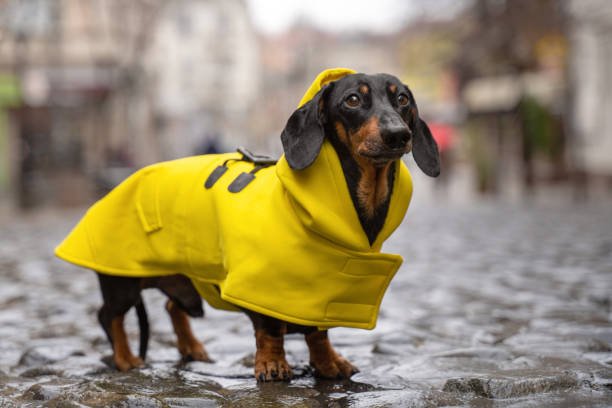
Dogs that often NEED coats:
- Small breeds (Chihuahua, Dachshund)
- Short-haired dogs (Greyhound, Doberman)
- Puppies and senior dogs
- Dogs with medical conditions
- Hairless or thin-coated breed.
Signs your Dog Is Feeling Cold
If your dog shows any of the following signs, they may need extra warmth:
- Shivering or trembling
- Lifting paws off the ground
- Seeking warm places or curling up tightly
- Whining or slowing down during walks
Expert Advice: When a Dog Coat Is Necessary‘
- Temperature drops below 7°C (45°F) for small or short-haired dogs
- Temperature drops below 0°C (32°F) for most breeds
- Your dog spends extended time outdoors
- It’s windy, rainy, or snowy
Choosing the Right Dog Coat
When buying a coat, make sure it:
- Fits snugly but allows movement
- Covers the chest and belly
- Is water-resistant for wet weather
- Has breathable material
- Is easy to put on and remove
Avoid coats that are too tight or overly heavy.
Expert Advice on Keeping Dogs Warm
According to the American Kennel Club (AKC), small and short-haired dogs are more sensitive to cold weather and often need coats during winter walks. You can read their full cold-weather safety guide here.
Veterinary professionals at the American Veterinary Medical Association (AVMA) also recommend protecting dogs from extreme cold, especially puppies, senior dogs, and pets with health conditions.
For additional guidance, the RSPCA provides helpful winter care tips for keeping dogs safe and comfortable in cold conditions.
Do Dogs Need Coats? What Veterinarians Really Say
Veterinarians agree that the need for dog coats depends on several important factors. Breed type, body fat, fur length, age, and overall health all play a role in determining how well a dog can tolerate cold weather. While some dogs are naturally built for winter conditions, others can become uncomfortable or even ill when exposed to low temperatures for long periods.
Dogs with short fur or low body fat lose heat more quickly, making coats an essential winter accessory rather than a fashion item. Senior dogs and puppies also have difficulty regulating body temperature, which is why veterinarians often recommend extra protection for them during colder months.
Weather conditions such as rain, wind, and snow can make cold exposure even more dangerous. A waterproof and insulated dog coat helps prevent hypothermia and keeps your pet comfortable during walks. Indoor dogs that are not used to cold environments may also benefit from a coat when going outside briefly.
Experts emphasize observing your dog’s behavior. If your dog appears reluctant to walk, shivers frequently, or seeks warmth immediately after going outdoors, a coat can significantly improve their comfort and well-being.
Other Ways to Keep Your Dog Warm
A coat isn’t the only solution. You can also:
- Limit outdoor time in extreme cold
- Provide warm bedding indoors
- Dry your dog properly after rain or snow
- Increase calorie intake slightly (after vet consultation)
Final Thoughts
Some do, some don’t. Understanding your dog’s breed, age, and comfort level is key. When in doubt, consult your veterinarian. A well-chosen coat can make winter walks safer, healthier, and more enjoyable for your furry friend