
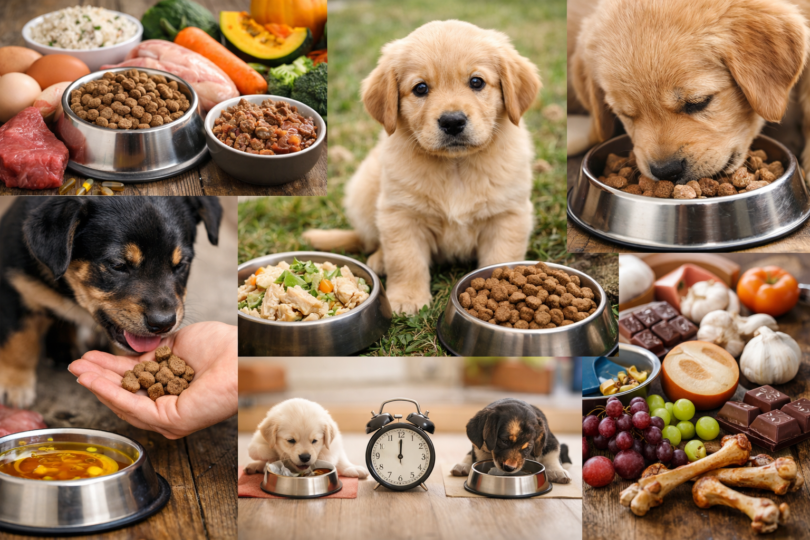

Puppy dog food is one of the most important things for your puppy’s growth. Just like babies, puppies need special food that supports their bones, brain, muscles, and immune system. Giving wrong food can cause weak bones, stomach problems, and slow growth.
In this guide, you will learn what puppy dog food is, why it is important, what to feed, what to avoid, and how often to feed your puppy.
What Is Puppy Dog Food?
Puppy dog food is specially made food for dogs under one year of age. It has more protein, fat, vitamins, and minerals than adult dog food. Puppies grow very fast, so they need more energy and nutrients.
Normal adult dog food does not give enough nutrition to puppies. That is why you should always choose food labeled as “Puppy Food” or “For Growth.”
Why Puppy Dog Food Is Important
- Strong bones and teeth
- Healthy brain development
- Shiny coat and healthy skin
- Strong immune system
- Proper weight gain
If puppies do not get the right food, they can become weak, sick, or underweight.
Best Nutrients in Puppy Dog Food
Good puppy dog food should contain:
1. Protein
Protein helps muscles grow. Chicken, beef, fish, and eggs are good protein sources.
2. Fat
Fat gives energy and keeps skin healthy. Fish oil and chicken fat are good.
3. Calcium and Phosphorus
These minerals make bones and teeth strong.
4. Vitamins and Minerals
Vitamins help eyesight, immunity, and digestion.
Commercial vs Homemade Puppy Dog Food
Commercial Puppy Dog Food
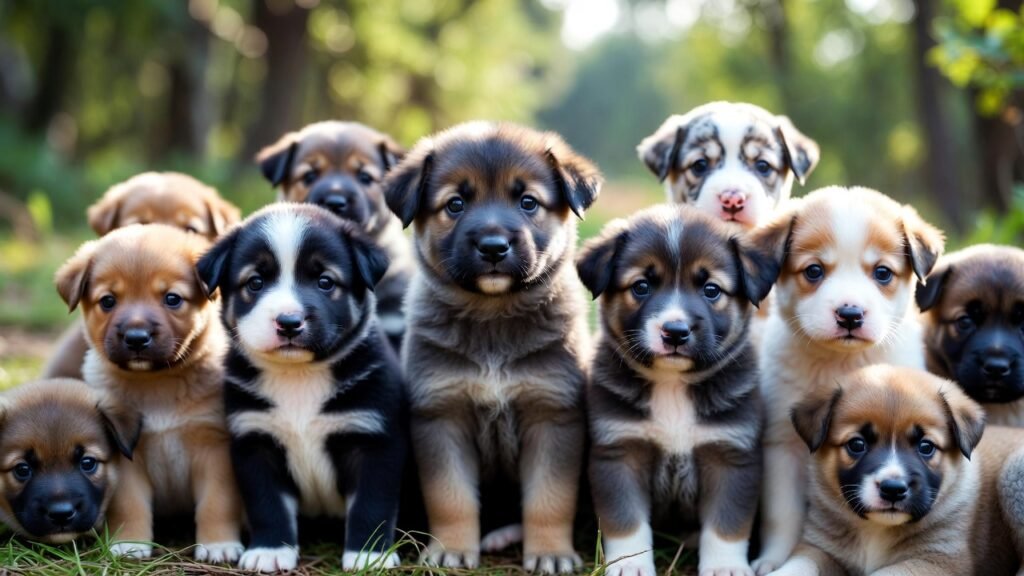
Store-bought puppy food is easy to use and balanced. It comes in:
- Dry food (kibble)
- Wet food (cans or pouches)
Choose trusted brands and always check the label says “Complete and Balanced for Puppies.”
Homemade Puppy Dog Food
You can also make puppy food at home. But you must be careful to give balanced meals.
Simple homemade puppy dog food:
- Boiled chicken or beef
- Rice or oats
- Carrots, pumpkin, or peas
Do not add salt, spices, onion, garlic, or oil.
How Often to Feed Puppy Dog Food
Puppies need small meals many times a day.
| Puppy Age | Meals Per Day |
|---|---|
| 6–12 weeks | 4 meals |
| 3–6 months | 3 meals |
| 6–12 months | 2 meals |
Always give fresh water with puppy dog food.
Foods to Avoid for Puppies
Never give these foods:
- Chocolate
- Grapes and raisins
- Onion and garlic
- Spicy food
- Fried food
- Bones that can break easily
These foods can be dangerous for puppies.
Signs Your Puppy Is Eating Well
Your puppy is healthy if:
- It is active and playful
- Has shiny coat
- Eats with good appetite
- Gains weight slowly and properly
If your puppy has diarrhea, vomiting, or does not eat, change the puppy dog food and talk to a vet.
Puppy Dog Food for Different Breeds
Different puppy breeds grow at different speeds, so puppy dog food should match their size and growth needs.
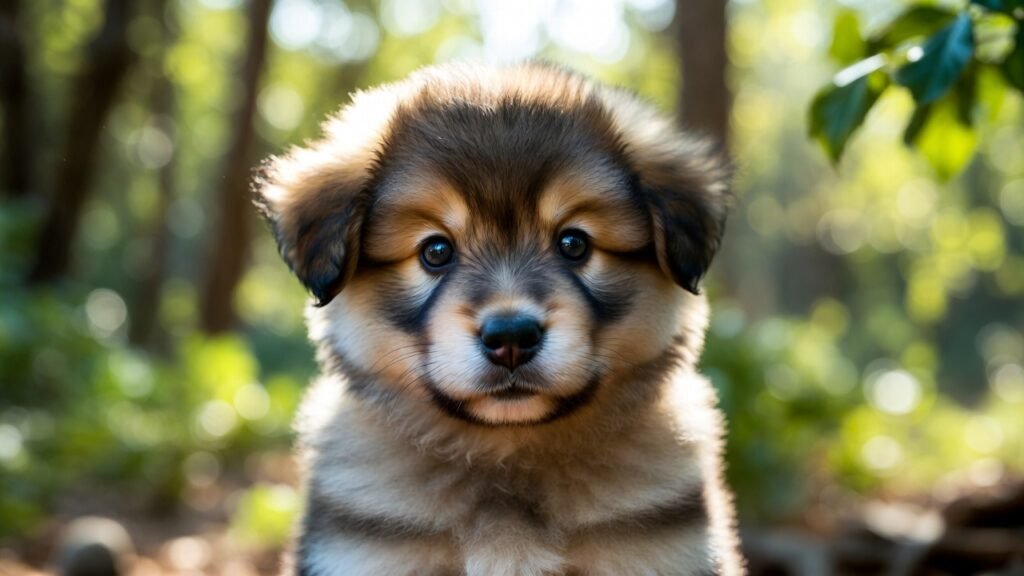
Small Breed Puppies
Examples: Pomeranian, Chihuahua, Pug
- Need more calories per kg
- Small-sized kibble is easier to chew
- Higher protein and fat needed
Medium Breed Puppies
Examples: Beagle, Cocker Spaniel
- Balanced nutrition is best
- Moderate protein and calcium
- Avoid overfeeding
Large Breed Puppies
Examples: German Shepherd, Labrador
- Calcium must be controlled
- Too much fat is harmful
- Slow, steady growth is healthiest
How to Change Puppy Dog Food Safely
Never change puppy dog food suddenly. This can cause stomach problems.
Safe method:
- Day 1–2: 75% old food + 25% new food
- Day 3–4: 50% old food + 50% new food
- Day 5–6: 25% old food + 75% new food
- Day 7: 100% new food
This method helps your puppy adjust easily.
Tips for Feeding Puppy Dog Food
- Always use food made for puppies
- Do not change food suddenly
- Mix old and new food for 5–7 days
- Do not overfeed
- Keep feeding time fixed
Final Thoughts
Puppy dog food plays a big role in your puppy’s life. Good food means a healthy puppy and a happy future dog. Whether you choose commercial or homemade puppy dog food, always focus on balanced nutrition.
If you take care of your puppy’s diet from the start, your puppy will grow strong, active, and full of life.


[…] Understanding Small Breed Puppies Nutritional Needs […]