
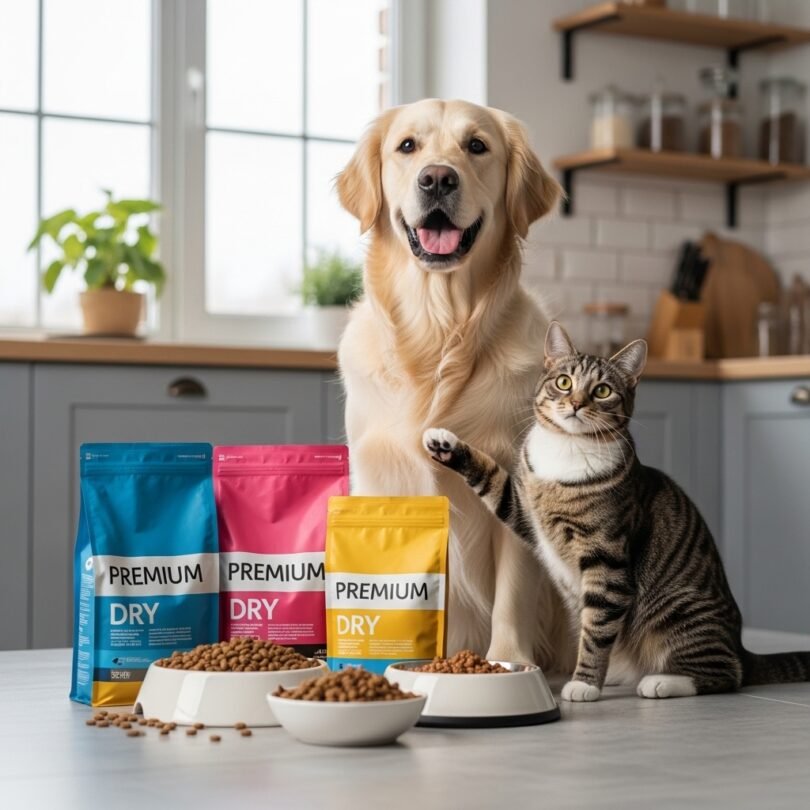

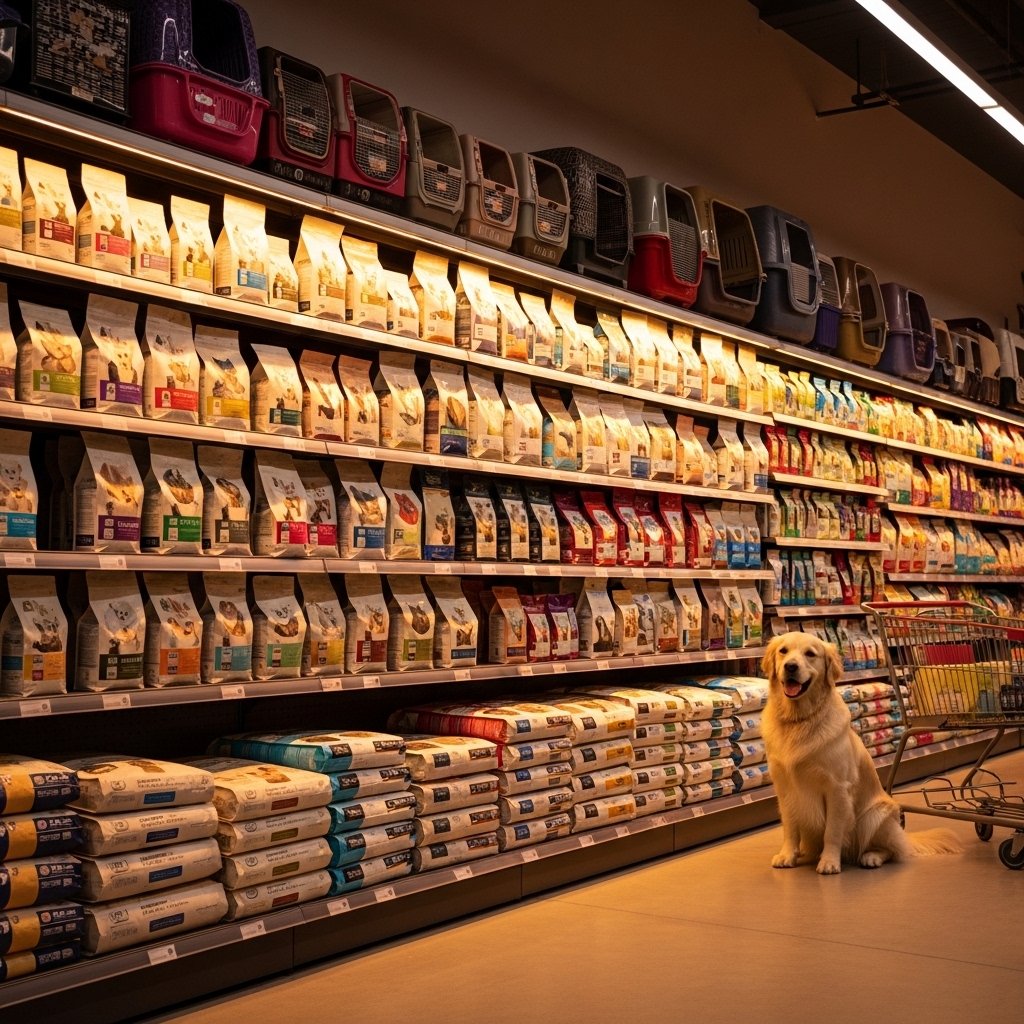
If you’ve ever stood in a pet store aisle staring at dozens of colorful bags and cans, you’re not alone. Choosing the right pet food brand can feel overwhelming. Every package claims to be “natural,” “premium,” or “vet-approved.” But what actually matters?
Let’s break it down in simple terms. Because at the end of the day, your pet isn’t just an animal. They’re family.
Why Choosing the Right Pet Food Brand Matters
Nutrition and Long-Term Health
Think of food as fuel. If you put low-quality fuel into a car, it won’t run well. The same goes for your pet. High-quality pet food brands use better protein sources, balanced nutrients, and fewer fillers.
The right diet supports:
- Healthy skin and coat
- Strong bones and muscles
- Proper digestion
- A strong immune system
Good nutrition today means fewer vet visits tomorrow.
Impact on Energy and Behavior
Ever noticed how some pets are full of energy while others seem sluggish? Food plays a huge role. High-protein, well-balanced diets give pets steady energy throughout the day.
On the flip side, food packed with artificial colors and fillers can cause hyperactivity or digestive discomfort.
Preventing Common Health Issues
Many common problems like obesity, allergies, and diabetes are linked to diet. Choosing the right brand helps prevent these issues before they start.
Types of Pet Food Available
Dry Food (Kibble)
Kibble is the most common option. It’s affordable, convenient, and easy to store. Many brands fortify kibble with essential vitamins and minerals.
It also helps with dental health because the crunch can reduce plaque buildup.
Wet Food (Canned)
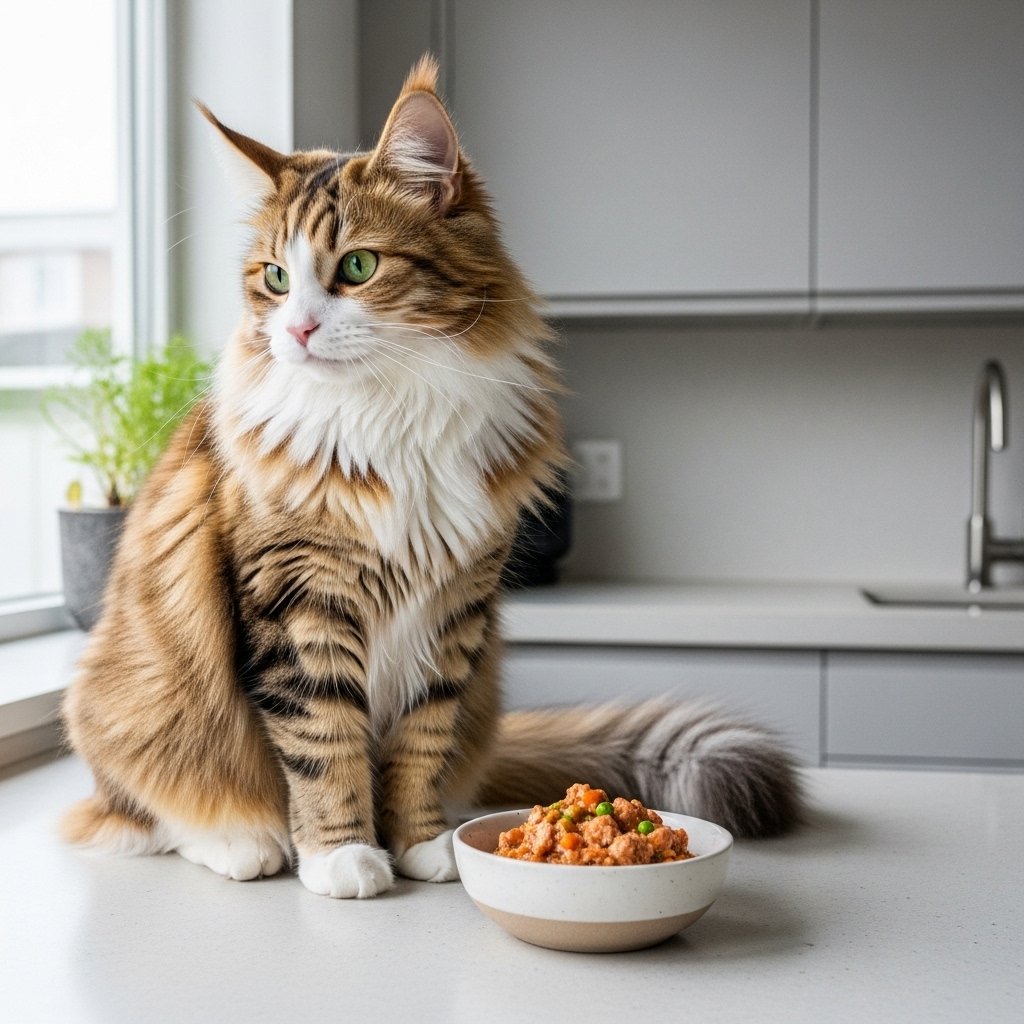
Wet food contains higher moisture content, which is great for hydration. Cats especially benefit from this.
It’s usually more flavorful and appealing for picky eaters.
Raw and Freeze-Dried Options
Some pet owners prefer raw diets, believing they mimic what animals eat in the wild. Freeze-dried options offer convenience while keeping nutrients intact.
However, raw diets require careful handling to prevent contamination.
Fresh and Human-Grade Meals
Fresh pet food brands now deliver meals made with human-grade ingredients. These often contain real meat, vegetables, and no preservatives.
They cost more but can offer premium quality nutrition.
Understanding Pet Food Labels
Reading labels can feel like decoding a secret language. Let’s simplify it.
Ingredient List Breakdown
Ingredients are listed by weight. The first ingredient matters most. Look for real meat like chicken, beef, or salmon listed first.
Avoid vague terms like “meat by-products” if possible.
Protein Sources Explained
Protein should come from identifiable animal sources. Plant-based proteins are fine but shouldn’t replace animal protein entirely for dogs and especially cats.
Artificial Additives to Avoid
Watch out for:
- Artificial colors
- Chemical preservatives
- Excess sugar
Natural preservatives like vitamin E are better choices.
Reading Guaranteed Analysis
This section shows protein, fat, fiber, and moisture percentages. Compare these numbers between brands to see which offers better nutritional value.
Popular Dog Food Brands
Premium Brands
Premium brands focus on high-quality ingredients, limited fillers, and research-backed formulas. They often offer grain-free and sensitive-stomach options.
Budget-Friendly Brands
Not everyone can spend top dollar. Some budget brands still meet basic nutritional standards. Just check ingredient quality carefully.
Specialized Diet Brands
Certain brands cater to allergies, weight management, or medical conditions. These formulas are often vet-recommended.
Popular Cat Food Brands
Cats are obligate carnivores. They need more animal protein than dogs.
Grain-Free Options
Grain-free formulas remove wheat and corn, focusing on meat-based proteins.
Indoor Cat Formulas
Indoor cats move less. These formulas help control weight and reduce hairballs.
Sensitive Stomach Choices
If your cat vomits frequently or has diarrhea, a limited ingredient diet may help.
Grain-Free vs Grain-Inclusive: What’s Better?
This debate never seems to end.
Grain-free diets remove wheat, corn, and rice. Some pets with allergies benefit from this. But grains aren’t automatically bad.
Whole grains provide fiber and energy. Unless your pet has a diagnosed allergy, grain-inclusive diets are usually fine.
Organic and Natural Pet Food Brands
Organic pet food brands avoid synthetic pesticides and GMOs. Natural brands avoid artificial ingredients.
These options appeal to owners who want cleaner labels. Just remember, “natural” doesn’t always mean nutritionally superior. Read the ingredient list.
Breed-Specific and Age-Specific Formulas
Puppy and Kitten Food
Young pets need extra protein, fat, and calories for growth. Their formulas support brain development and strong bones.
Adult Maintenance Diets
Adult pets require balanced nutrition to maintain weight and energy.
Senior Pet Nutrition
Older pets may need fewer calories but more joint-support ingredients like glucosamine.

How to Transition Between Brands Safely
Switching food suddenly can upset your pet’s stomach.
Follow this simple method:
- Day 1-2: 75% old food, 25% new food
- Day 3-4: 50% old, 50% new
- Day 5-6: 25% old, 75% new
- Day 7: 100% new
Slow transitions prevent digestive issues.
Signs Your Pet’s Food Is Not Working
Pay attention to these red flags:
- Dull coat
- Excessive shedding
- Frequent vomiting
- Low energy
- Weight gain or loss
Your pet can’t tell you what’s wrong. But their body will show you.
Budget vs Premium Pet Food: Is Expensive Always Better?
Not necessarily.
Some expensive brands focus more on marketing than ingredients. Some mid-range brands offer excellent quality.
Here’s what really matters:
- High-quality protein first
- No unnecessary fillers
- Transparent ingredient sourcing
You’re not paying for a fancy bag. You’re paying for nutrition.
Where to Buy Trusted Pet Food Brands
You can find quality pet food at:
- Local pet stores
- Veterinary clinics
- Online retailers
- Direct subscription services
Online shopping often offers better deals and home delivery convenience.
Tips for Storing Pet Food Properly
Improper storage can ruin even the best brand.
- Keep kibble in an airtight container
- Store in a cool, dry place
- Seal wet food tightly after opening
- Check expiration dates regularly
Fresh food equals fresh nutrients.
Final Thoughts on Choosing the Right Brand
Choosing the best pet food brand isn’t about trends. It’s about understanding your pet’s unique needs.
Watch how they respond. Check their coat, energy, and digestion. Talk to your vet if needed. A little research goes a long way.
Your pet depends on you for every meal. Make it count.
FAQs
1. How do I know if a pet food brand is high quality?
Look for real meat as the first ingredient, minimal fillers, and transparent labeling.
2. Is grain-free food better for all pets?
No. Only pets with specific grain allergies truly need it.
3. How often should I change my pet’s food brand?
Only if necessary. Sudden frequent changes can upset digestion.






[…] Cute Black Cat Names: […]