
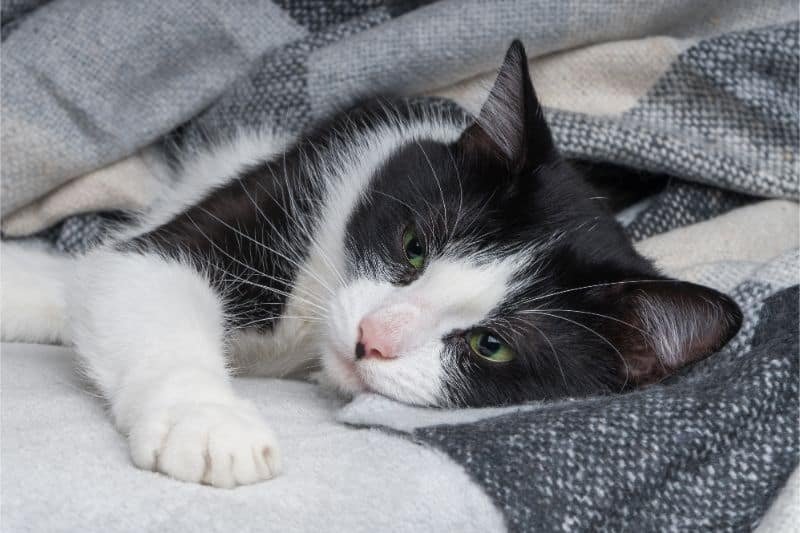

While a healthy cat might physically survive a few days without eating, a sick cat is at much higher risk of serious complications. In fact, going without food for even 24–48 hours can become dangerous.
In this complete guide, we’ll explain how long is too long, why it’s risky, warning signs to watch for, and what you must do to protect your cat’s health.
How Long Can a Sick Cat Go Without Food?
Technically, some cats may survive 3–4 days without food. However, survival does not mean safety.
For a sick cat:
- After 24 hours → Concerning
- After 48 hours → High risk of complications
- After 72 hours (3 days) → Medical emergency
Cats have a very sensitive metabolism. When they stop eating, their bodies react differently compared to many other animals including dogs.
Veterinarians generally advise:
If your sick cat hasn’t eaten for 24 hours, contact your vet.
Why Is It So Dangerous for Cats to Stop Eating?
Cats are obligate carnivores. Their bodies are designed to process protein constantly. When they stop eating:
- The body starts breaking down stored fat.
- Large amounts of fat are sent to the liver.
- The liver becomes overwhelmed.
- A dangerous condition called hepatic lipidosis (fatty liver disease) can develop.
What Is Hepatic Lipidosis?
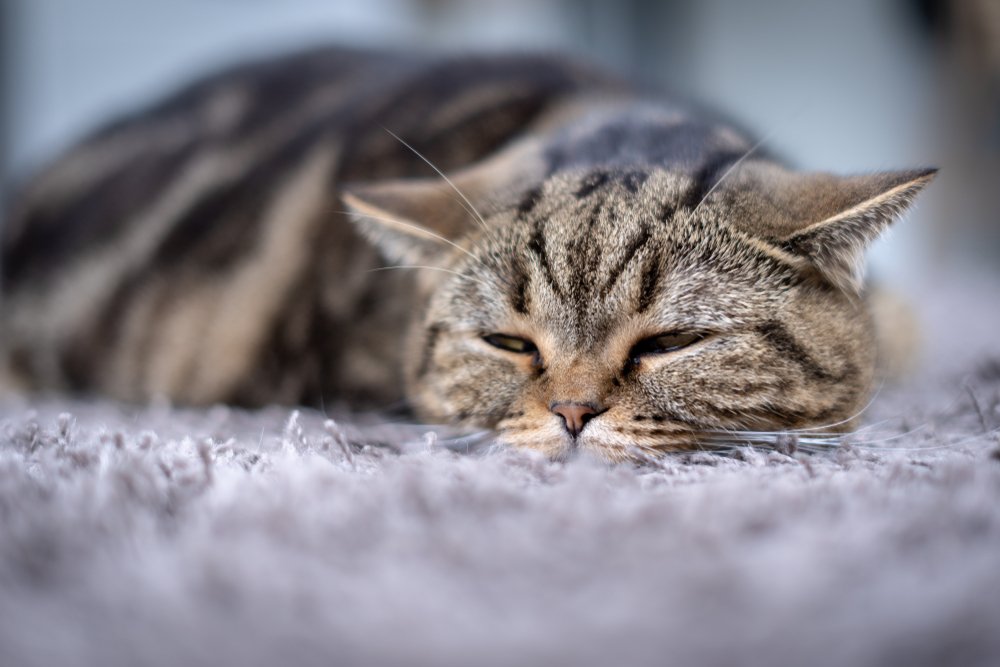
Hepatic lipidosis is one of the most serious risks when asking how long can a sick cat go without food. It occurs when fat builds up inside liver cells, preventing the liver from functioning properly.
Symptoms include:
- Yellowing of eyes or gums (jaundice)
- Severe lethargy
- Vomiting
- Weight loss
- Drooling
- Weakness
Without treatment, this condition can become life-threatening.
Common Reasons a Sick Cat Stops Eating
Understanding the cause is just as important as knowing how long can a sick cat go without food.
Here are common reasons:
1️⃣ Infection or Fever
When cats have infections, their appetite often decreases.
2️⃣ Dental Pain
Tooth infections, gum disease, or broken teeth can make eating painful.
3️⃣ Kidney Disease
Especially common in older cats, kidney problems reduce appetite.
4️⃣ Gastrointestinal Problems
Nausea, vomiting, or constipation can make your cat avoid food.
5️⃣ Stress and Anxiety
Moving homes, new pets, loud noises, or travel can reduce appetite.
6️⃣ Medication Side Effects
Some antibiotics or pain medications may cause nausea.
How Long Can a Sick Cat Go Without Water?
Food is critical but water is even more urgent.
Without water:
- Dehydration begins within 24 hours
- Organs can begin failing quickly
- Blood circulation becomes compromised
If your cat is not eating AND not drinking, this is an emergency situation.
Signs of dehydration:
- Dry gums
- Sunken eyes
- Skin loses elasticity
- Extreme weakness
Warning Signs You Should Never Ignore
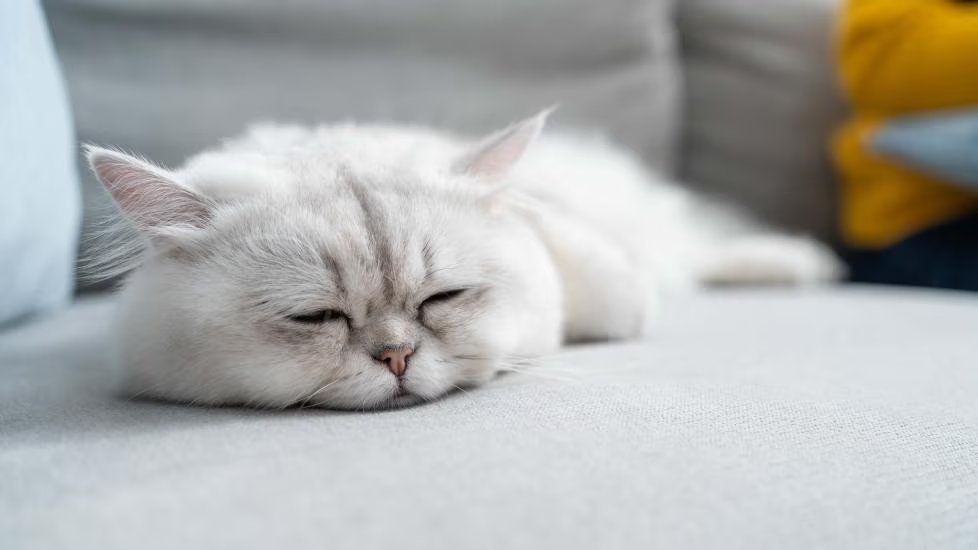
If you’re wondering how long can a sick cat go without food, also watch for these red flags:
- Not eating for more than 24 hours
- Rapid weight loss
- Vomiting repeatedly
- Diarrhea
- Difficulty breathing
- Hiding more than usual
- Yellow skin or eyes
- Collapse or inability to stand
If you notice these symptoms, seek veterinary care immediately.
Special Cases: Kittens and Senior Cats
Kittens
Kittens have very small energy reserves.
They can become weak within 12–24 hours without food.
Low blood sugar (hypoglycemia) can develop quickly, which is dangerous.
Senior Cats
Older cats often have underlying conditions like kidney disease or diabetes.
Even short periods without food can worsen these problems.
For both kittens and seniors, never wait more than 12–24 hours.
What You Must Do If Your Sick Cat Won’t Eat
If your cat is sick and refusing food, here’s what to do:
Contact Your Veterinarian Early
Do not wait several days. Early treatment can prevent serious complications.
Offer Wet Food Instead of Dry Food
Wet food has:
- Stronger smell
- Softer texture
- Higher moisture content
Warm it slightly (not hot) to increase aroma.
Try Bland Options
If approved by your vet:
- Boiled chicken (plain, no salt)
- Bone broth (unsalted)
- Prescription recovery diets
Reduce Stress
Keep your cat in:
- A quiet room
- Comfortable bedding
- Soft lighting
Stress can suppress appetite.
Encourage Hydration
- Provide fresh water
- Try a cat water fountain
- Offer wet food for moisture
Monitor Closely
Track:
- When they last ate
- When they last drank
- Bathroom habits
- Energy levels
This information helps your vet diagnose faster.
How Vets Treat Cats Who Haven’t Eaten
If your cat hasn’t eaten for several days, veterinarians may use:
- IV fluids for dehydration
- Anti-nausea medication
- Appetite stimulants
- Assisted syringe feeding
- Feeding tubes (in severe cases)
Feeding tubes sound scary, but they can save lives in cases of hepatic lipidosis.
Can a Cat Recover After Not Eating?
Yes but timing is critical.
If treatment begins early:
- Liver damage may be reversible
- Appetite can return
- Full recovery is possible
If treatment is delayed:
- Organ failure risk increases
- Hospitalization becomes longer
- Recovery becomes harder
That’s why understanding how long can a sick cat go without food is so important.
When Is It an Emergency?
Seek emergency care if:
- Your cat hasn’t eaten for 48 hours
- Your cat is not drinking
- You see yellowing of eyes or gums
- Your cat cannot stand
- There is repeated vomiting
Do not wait for things to “get better on their own.”
Final Answer: How Long Can a Sick Cat Go Without Food?
A sick cat should not go more than 24 hours without food.
After 48 hours, serious health risks begin.
After 72 hours, it becomes a medical emergency.
The safest rule for cat owners:
If your sick cat hasn’t eaten in 24 hours, call your veterinarian.







[…] Care Fishing for Small Spaces […]