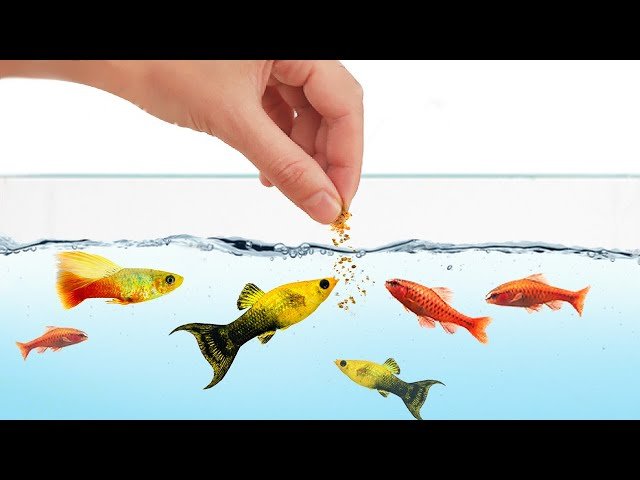

Feeding fish might seem like a simple daily task, but it plays a huge role in keeping your aquarium healthy and your fish active. Many beginners struggle with one important question: how often to feed fish? If you feed too much, your tank becomes dirty. How Often Do You Feed Fish If you feed too little, your fish become weak.
In this complete guide, you will learn exactly how often to feed fish, how much food to give, and common mistakes to avoid. Whether you have goldfish, bettas, or tropical fish, this article will help you take better care of your aquarium.
Why Feeding Fish Properly Matters
Fish cannot control their own diet in an aquarium. They depend entirely on you. In the wild, fish eat small amounts throughout the day, but in a tank, How Often Do You Feed Fish food is only available when you give it.
Proper feeding is important because:
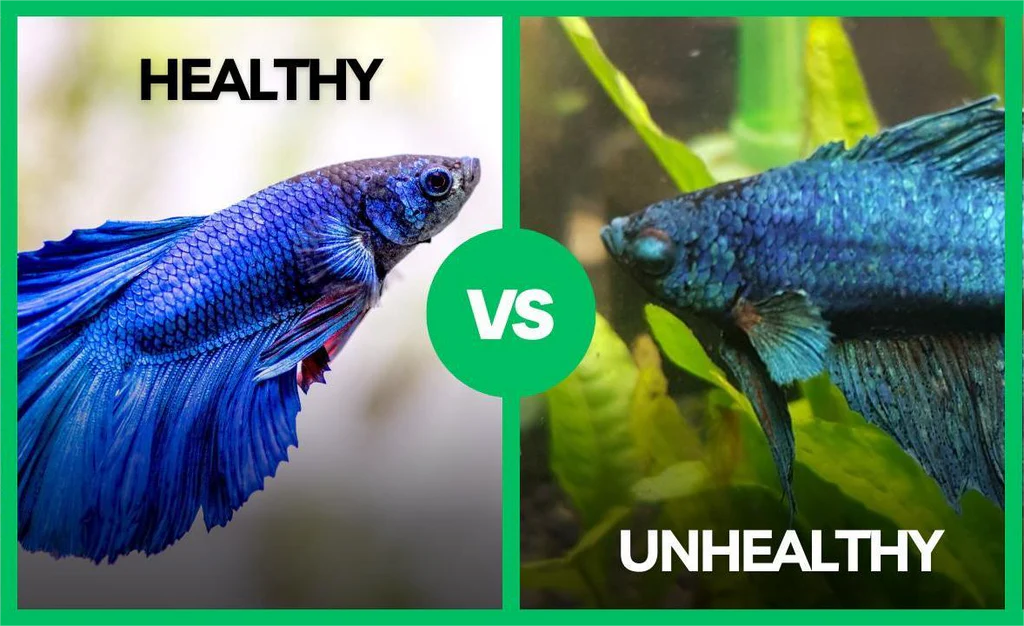
- It keeps fish healthy and active
- Prevents diseases and stress
- Maintains clean water conditions
- Supports proper growth and color
Overfeeding is actually more dangerous than underfeeding. Extra food sinks to the bottom and pollutes the water, leading to harmful toxins like ammonia.
How Often Should You Feed Fish?
The most common and safe rule is:
Feed your fish once or twice a day
This works for most aquarium fish and is recommended by experts.
Ideal Feeding Routine:
- Morning: Light feeding
- Evening: Small feeding
Each feeding should be small and controlled. Fish should be able to finish all the food within 2 to 3 minutes.
If food is still floating after a few minutes, it means you are feeding too much.
Feeding Frequency by Fish Type
Different fish species have different needs. Let’s break it down:
Tropical Fish (Guppies, Tetras, Mollies)
These are the most common aquarium fish.
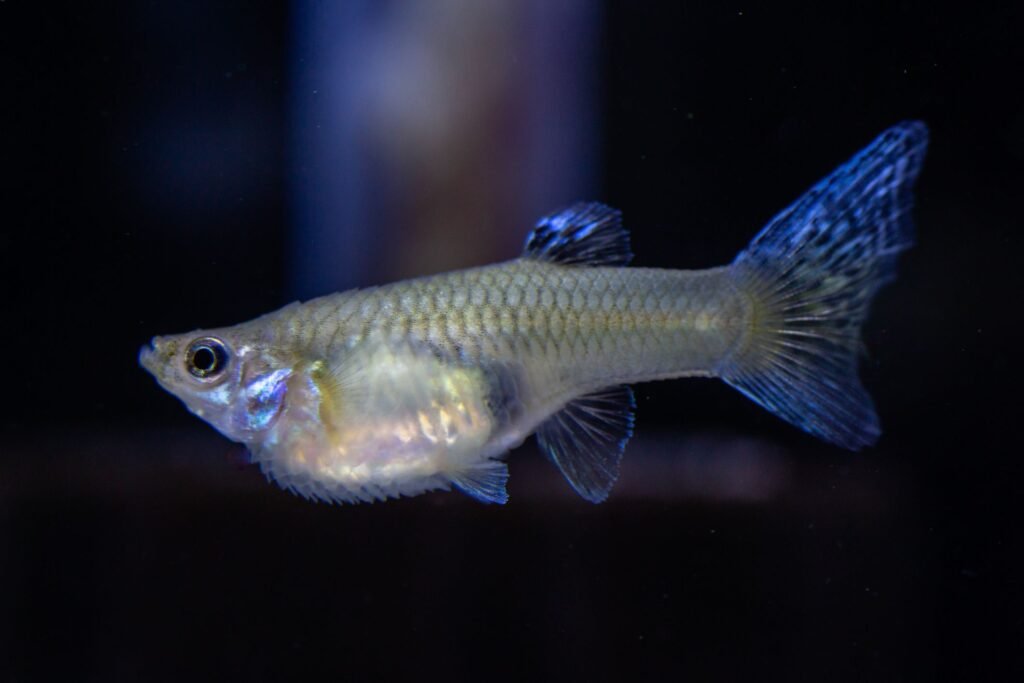
- Feed: 1–2 times daily
- Food: Flakes or small pellets
- Tip: Variety in food improves health
Tropical fish are active and burn energy quickly, so they benefit from regular feeding.
Goldfish
Goldfish are always hungry, but that doesn’t mean you should overfeed them.
- Feed: 1–2 times daily
- Special Note: They produce a lot of waste
- Tip: Feed in small portions to avoid dirty water
Overfeeding goldfish can quickly make your tank cloudy and unhealthy.
Betta Fish
Betta fish have small stomachs but big appetites.
- Feed: Once or twice daily
- Quantity: Very small portions
- Tip: Avoid overfeeding they can get bloated
A betta’s stomach is about the size of its eye, so don’t give too much food.
Bottom Feeders (Plecos, Catfish)
These fish eat leftover food but still need proper feeding.
- Feed: Once daily
- Best Time: Night
- Food: Sinking pellets
Make sure they get enough food because other fish may eat everything first.
Baby Fish (Fry)
Baby fish need more energy for growth.
- Feed: 3–4 times daily
- Food: Special fry food or crushed flakes
They require frequent feeding but in very small amounts.
How Much Food Should You Give?
The biggest mistake people make is giving too much food.
Follow this golden rule:
Only feed what fish can eat in 2–3 minutes
If food remains after that, remove it from the tank.
Signs of Overfeeding Fish
Overfeeding is the number one cause of aquarium problems.
Common Signs:
- Uneaten food in the tank
- Cloudy or dirty water
- Bad smell from aquarium
- Fish becoming lazy or sick
- Rapid algae growth
Overfeeding increases ammonia levels, which can be deadly for fish.
Signs of Underfeeding Fish
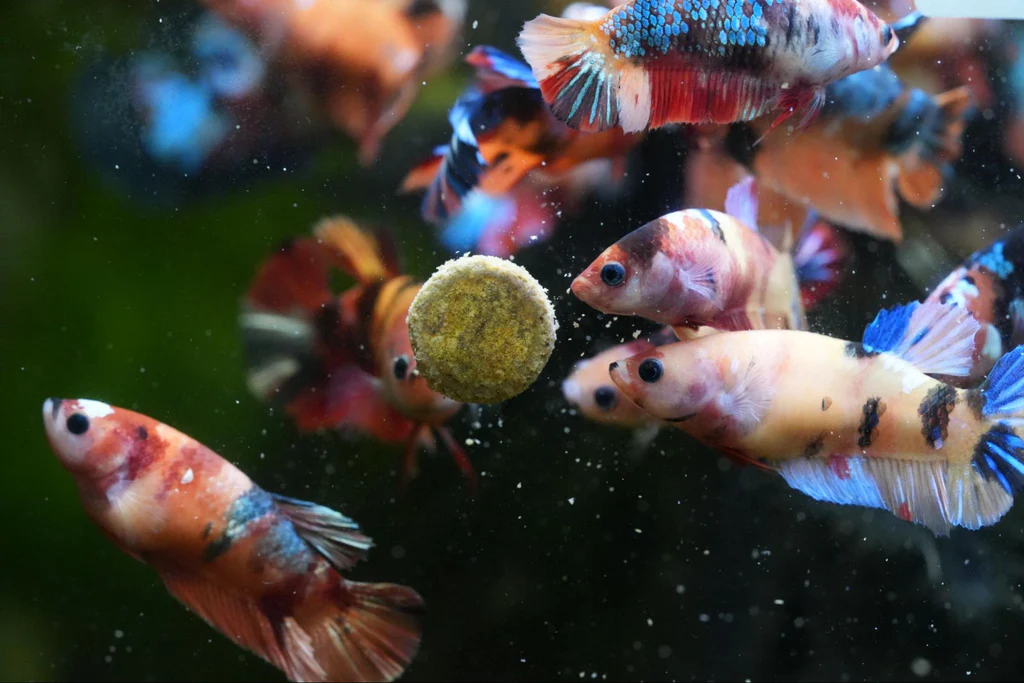
Although less common, underfeeding can also harm fish.
Signs:
- Fish look thin or weak
- Slow swimming
- Fighting or aggression
- Loss of color
Balance is important. You don’t want to overfeed or underfeed.
Smart Feeding Tips for Beginners
If you want to keep your fish healthy and rank your blog on Google, follow these tips:
1. Keep a Feeding Schedule
Feed your fish at the same time every day. Fish get used to routine and become more active.
2. Skip One Day a Week
You can skip feeding once a week. This helps fish digestion and keeps water clean.
3. Use High-Quality Food
Cheap food can harm fish. Always use good quality flakes or pellets.
4. Mix Different Foods
Don’t rely on one type of food. Mix flakes, pellets, and occasional live or frozen food.
5. Remove Leftovers
Always clean uneaten food to prevent water pollution.
Types of Fish Food
Your feeding schedule also depends on the type of food you use.
Flakes
- Most common
- Good for surface feeders
Pellets
- Sink slowly
- Good for all types of fish
Frozen Food
- High nutrition
- Use occasionally
Live Food
- Best for growth and color
- Examples: worms, brine shrimp
What Happens If You Overfeed Fish?
Overfeeding doesn’t just harm fish it affects the entire aquarium ecosystem.
Problems Caused:
- Ammonia spikes
- Oxygen levels drop
- Bacteria growth increases
- Fish may die
That’s why experts always say:
It’s better to underfeed than overfeed
Can You Feed Fish Once a Day?
Yes, feeding fish once a day is completely fine for most species. In fact, many fish owners prefer this method because it reduces waste and keeps water clean.
If you choose once-daily feeding:
- Make sure food is nutritious
- Give a slightly larger portion (but still small enough to finish quickly)
How Long Can Fish Survive Without Food?
Fish are surprisingly strong when it comes to fasting.
- Most fish can survive 3 to 7 days without food
- Some species can survive even longer
However, this should only happen in emergencies, like when you are traveling.
Should You Use an Automatic Feeder?
If you are busy or travel often, an automatic feeder is a great option.
Benefits:
- Feeds fish on time
- Prevents overfeeding
- Reduces stress
It’s a good investment for long-term fish care.