
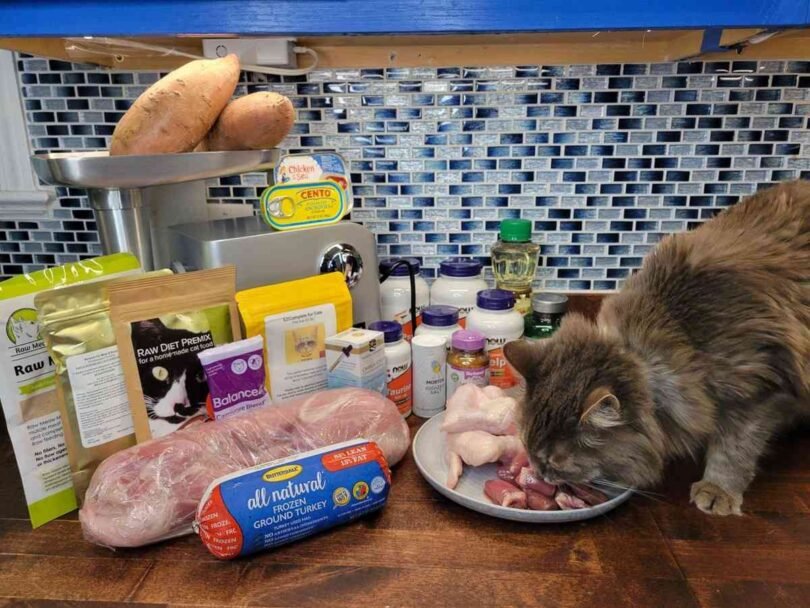

Cats are not small dogs. They are obligate carnivores, which means their bodies are designed to get nutrition mainly from meat. Unfortunately, many low-quality commercial cat foods contain fillers like corn, wheat, and soy that offer little nutritional value.
This is why more pet owners are turning toward homemade cat food—not as a trend, but as a thoughtful way to care for their cats’ health.
Why More People Are Making Their Own Cat Food
When you prepare food at home, you know exactly what goes into your cat’s bowl. There are no hidden ingredients, artificial colors, or unnecessary fillers.
Some common benefits cat owners notice include:
- Better digestion
- Shinier coat and healthier skin
- Fewer allergies and itching
- Improved appetite
- More energy and activity
That peace of mind alone is a big reason people switch.
Is Homemade Cat Food Safe for Cats?
Yes homemade cat food can be safe if it is prepared correctly.
- Essential nutrients are missing
- Toxic human foods are added
- Meals are unbalanced for long-term feeding
That’s why simple, meat-based recipes are always better than complicated ones.
Basic Nutrition Every Cat Needs
Before making any recipe, it’s important to understand what cats truly need.
Protein Comes First
Cats depend on animal protein to survive. Chicken, turkey, beef, lamb, and fish are excellent choices.
Taurine Is Essential
Taurine supports:
- Heart health
- Vision
- Digestion
It naturally exists in meat, especially dark meat and organs.
Healthy Fats Matter
Animal fats provide energy and help absorb important vitamins.
Foods Cats Should Never Eat
Avoid these completely:
- Onions and garlic
- Salt and spices
- Chocolate
- Grapes and raisins
- Raw dough
Even small amounts can be dangerous for cats.
Easy Homemade Cat Food Ideas (Beginner Friendly)
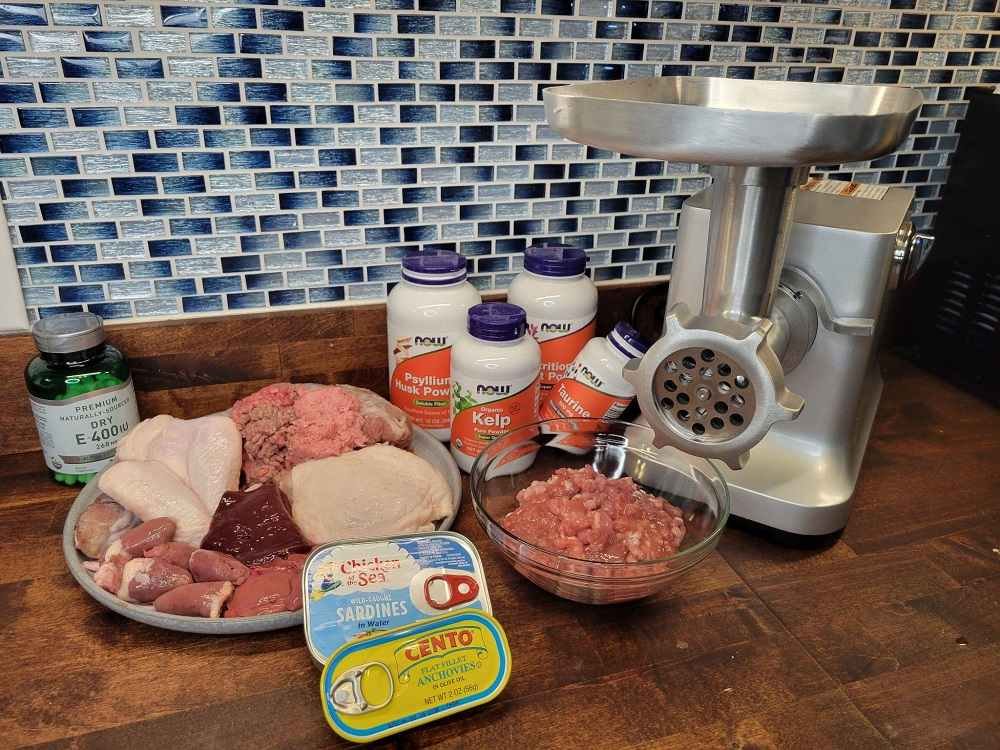
1. Simple Chicken Cat Food
This is one of the safest homemade meals for cats.
Ingredients:
- Boneless chicken (thighs preferred)
- Water or unsalted chicken broth
Preparation:
- Boil the chicken until fully cooked
- Let it cool
- Shred into small pieces
- Add a little broth for moisture
This meal is gentle on the stomach and loved by most cats.
2. Turkey & Pumpkin Cat Food
Ideal for cats with digestion issues.
Ingredients:
- Cooked ground turkey
- Small amount of plain pumpkin
Turkey is easy to digest, and pumpkin helps regulate the digestive system.
3. Fish-Based Cat Food (Occasional Treat)
Cats love fish, but it should not be fed daily.
Ingredients:
- Cooked salmon or tuna (no salt, no oil)
- A few drops of fish oil
Feed fish only once or twice a week.
4. Chicken & Egg Recipe
Eggs are a great protein boost.
Ingredients:
- Cooked chicken
- Fully cooked scrambled egg
Never serve raw eggs to cats.
Should Cats Eat Only Homemade Food?
Not necessarily. Many cat owners use a mixed approach:
- Commercial food for one meal
- Homemade food for another
This helps maintain balance while still providing fresh nutrition.
Portion Size & Feeding Tips
Portions depend on:
- Age
- Weight
- Activity level
General guideline:
- Adult cats: 2 meals per day
- Kittens: 3–4 small meals
Always make changes slowly.
Storage & Food Safety
- Refrigerate homemade cat food for up to 3 days
- Freeze extra portions
- Use airtight containers
- Warm slightly before serving
Never leave food out for long periods.
Common Mistakes to Avoid
- Adding salt or spices
- Feeding fish every day
- Ignoring taurine
- Changing diet suddenly
Slow transitions are always better.
Signs Your Cat Is Thriving on Homemade Food
- Shiny coat
- Healthy weight
- Normal stool
- Good energy levels
- Strong appetite
If you notice weight loss or lethargy, consult a veterinarian.
Final Thoughts
Making homemade cat food isn’t about being perfect—it’s about being mindful. With simple ingredients and balanced meals, you can support your cat’s health without stress
Another important reason is trust. With homemade food, you don’t have to rely on marketing labels or ingredient lists you barely understand. You can see, touch, and smell every ingredient, which gives peace of mind.
A veterinarian can guide you on supplements if needed.
Final Thoughts
Making your own cat food isn’t about perfection it’s about care. With simple ingredients, balanced meals, and basic nutritional awareness, homemade cat food can be a safe and rewarding choice.
You don’t need expensive tools or complicated recipes. Just awareness, patience, and love and your cat will feel the difference.





[…] Néline’s Monthly Cooked Diet […]