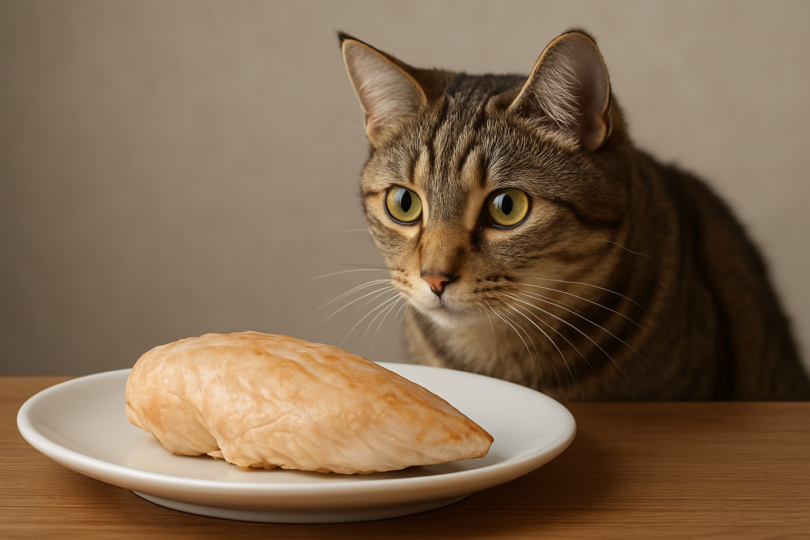

Cats are obligate carnivores, which means their bodies are designed to thrive on animal-based protein. While commercial cat foods are convenient, many cat owners are now turning to cooked meat for cats as a natural, healthy, and easy alternative. Feeding cooked meat can improve digestion, coat health, energy levels, and overall wellbeing but only if done safely.
In this guide, we will discuss why cooked meat is beneficial, which meats are safe, how to prepare them, and important precautions to follow.
Why Cooked Meat Is Good for Cats
Cats require high-quality protein for muscle development, energy, and overall health. Cooked meat provides:
- High protein content for muscle and tissue repair
- Essential amino acids like taurine, which cats cannot produce naturally
- Healthy fats that support energy and vitamin absorption
- Better digestibility compared to raw meat for some cats
Unlike some commercial foods that rely on fillers like corn or soy, cooked meat gives you control over exactly what your cat consumes.
Which Cooked Meats Are Safe for Cats?
Not all meats are safe, and preparation is key. Safe options include:
1. Chicken
- Boneless and skinless is best
- Cook thoroughly to avoid bacteria
- Chop or shred into bite-size pieces
2. Turkey
- Lean and easy to digest
- Remove skin and bones
- Cook until fully done
3. Beef
- Use lean cuts
- Cook well but avoid excessive fat
- Chop finely for smaller cats
4. Lamb
- Good protein source but higher in fat
- Suitable occasionally, not daily
- Cook and cut into small pieces
5. Fish (Cooked)
- Salmon and tuna are okay occasionally
- Cook thoroughly, avoid oil or seasoning
- Give no more than 1–2 times per week
How to Prepare Cooked Meat for Cats
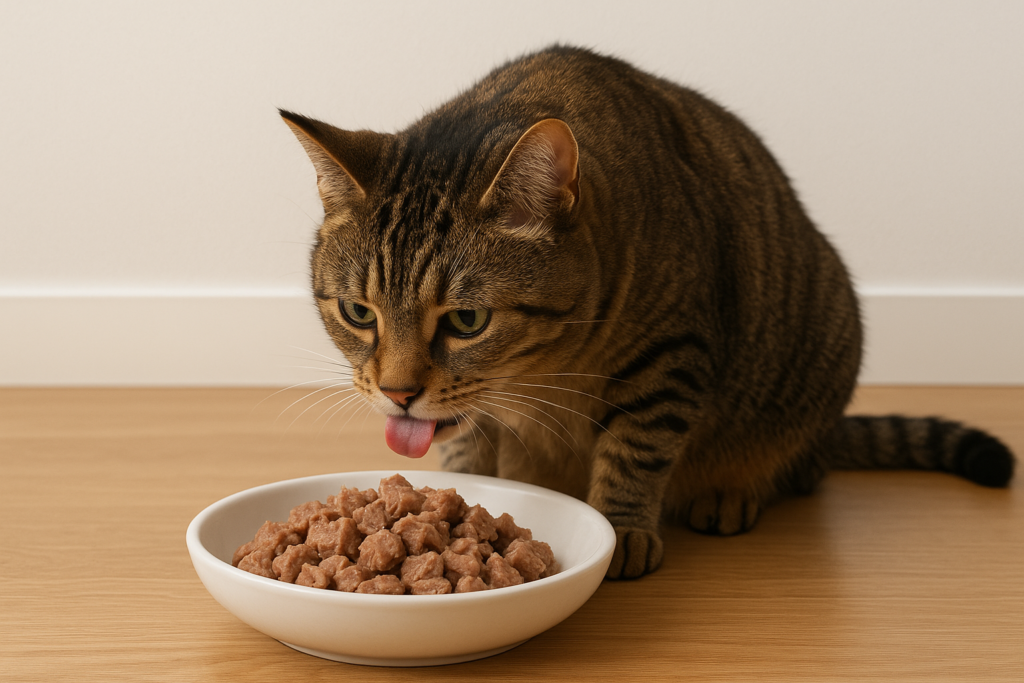
Simple preparation is best. Follow these steps for safe homemade meals:
- Choose fresh meat – avoid processed or frozen meat with additives.
- Remove bones and skin – small bones can be choking hazards.
- Cook thoroughly – boiling, steaming, or baking is recommended. Avoid frying or seasoning.
- Cut into small pieces – easier for cats to chew and digest.
- Serve at room temperature – never serve hot meat directly.
Foods and Seasonings to Avoid
Never give cats:
- Onions or garlic (toxic)
- Salt and spices
- Chocolate
- Grapes or raisins
- Raw dough or raw eggs
- Processed meats like sausages or deli cuts
Even small amounts of these foods can harm your cat.
How Much Cooked Meat Should I Feed My Cat?
Portion sizes depend on your cat’s age, weight, and activity level:
- Adult cats: 2 meals per day, ~30–50 grams of meat per meal (adjust for size)
- Kittens: 3–4 smaller meals
- Mixed feeding (commercial food + cooked meat) can help balance nutrition.
Always introduce new food gradually to avoid digestive upset.
Benefits of Feeding Cooked Meat to Cats
- Shiny Coat and Healthy Skin – Proper protein and fat improve fur quality.
- Better Digestion – Easily digestible proteins reduce stomach issues.
- More Energy – High-quality meat fuels active cats.
- Enhanced Appetite – Cats love the taste of fresh cooked meat.
- Reduced Allergies – Eliminating fillers and additives may reduce itching or allergies.
Can Cats Eat Only Cooked Meat?
While cooked meat is healthy, feeding only meat may lead to nutritional imbalance over time. Cats require taurine, vitamins, and minerals that may not be sufficient in plain meat.
Options:
- Mixed feeding: Combine commercial cat food and cooked meat.
- Supplemented homemade meals: Use veterinarian-approved supplements for taurine, calcium, and vitamins.
Storage and Food Safety
- Refrigerate cooked meat for up to 2–3 days
- Freeze extra portions in small batches
- Use airtight containers
- Reheat slightly if cold, but do not overheat
Never leave meat out for hours as bacteria can grow quickly.
Common Mistakes to Avoid
- Feeding seasoned or salted meat
- Giving too much fish daily
- Ignoring supplements if feeding only homemade
- Switching diet suddenly
A slow transition is always safer for your cat’s digestive system.
Signs Your Cat Is Thriving on Cooked Meat
- Healthy weight
- Shiny, soft coat
- Normal stool
- Energetic and playful
- Good appetite
If your cat shows weight loss, lethargy, or unusual stool, consult a veterinarian immediately.
When feeding a cooked diet to cats, raw meaty bones cannot be included, which means you need to replace the minerals they provide, especially calcium and phosphorus. The simplest way to balance a cooked diet is by using a vitamins and minerals supplement specifically formulated to make a meat-only diet complete.
To plan Néline’s meals, I used a calculator developed by French professional pet nutritionists to ensure her diet was balanced and met all her nutritional needs.
Néline’s Monthly Cooked Diet
For the past month, her diet has consisted of:
- Cooked lean pork
- Vit’i5, a complete vitamins and minerals supplement
- Canola oil, occasionally replaced 3 times a week with a fish oil capsule
- Wheat bran
What Each Ingredient Brings
- Cooked pork – provides the macronutrients (protein and fat) and energy for her diet.
- Wheat bran – adds fiber to support digestion.
- Canola oil – delivers essential fatty acids, specifically alpha-linolenic acid (omega-3) and linoleic acid (omega-6). It also helps balance the omega-6:omega-3 ratio in the diet.
- Fish oil capsule – adds EPA and DHA, two omega-3s not present in canola oil. Like canola oil, it helps lower the omega-6:omega-3 ratio, supporting heart, skin, and coat health.
- Vit’i5 supplement – completes the diet with all the vitamins and minerals that would have otherwise come from offals and raw meaty bones. It also includes taurine, an essential amino acid critical for a cat’s heart, vision, and digestion.
Since the supplement provides all necessary micronutrients, it’s not necessary to rotate many types of meat in her diet. A simple protein source, like lean pork, is sufficient when paired with the right supplements.
How Néline Adapted to Her New Diet
After switching to this cooked diet, Néline adapted surprisingly well. She took to the meals easily, showing no digestive issues, and her energy levels remained high. She enjoys the flavors and textures, which shows that a well-balanced cooked diet can be both nutritious and appealing to cats.
Final Thoughts
Feeding a balanced cooked diet to cats is absolutely possible with the right planning. The key points are:
- Include a vitamins and minerals supplement to replace nutrients from raw bones.
- Ensure essential fatty acids are present through oils or fish oil.
- Provide fiber with ingredients like wheat bran for digestion.
- Use a reliable nutrition calculator or consult a pet nutritionist to make sure the diet is complete.
With a little preparation, your cat can thrive on a cooked diet just as well as on commercial or raw diets.