
Choosing the best dog food for small breed puppies is one of the most important decisions a new pet owner can make. Small breed puppies may look tiny, but their nutritional needs are actually very big. Because of their fast metabolism, small stomach size, and rapid growth rate, they require food that is specially formulated for them not just a smaller version of adult dog food.
In this guide, we’ll break down what makes a dog food ideal for small breed puppies, which ingredients truly matter, and how to avoid common feeding mistakes. By the end, you’ll know exactly what to look for when buying puppy food and how to keep your little pup healthy, energetic, and happy.
Understanding Small Breed Puppies Nutritional Needs
Small breed puppies include dogs like Chihuahuas, Pomeranians, Yorkshire Terriers, Shih Tzus, Maltese, and Toy Poodles. These puppies grow quickly in the first year of life and burn calories much faster than large breeds.
Because of this, the best dog food for small breed puppies should be:
- High in quality protein
- Energy-dense (more calories per bite)
- Easy to digest
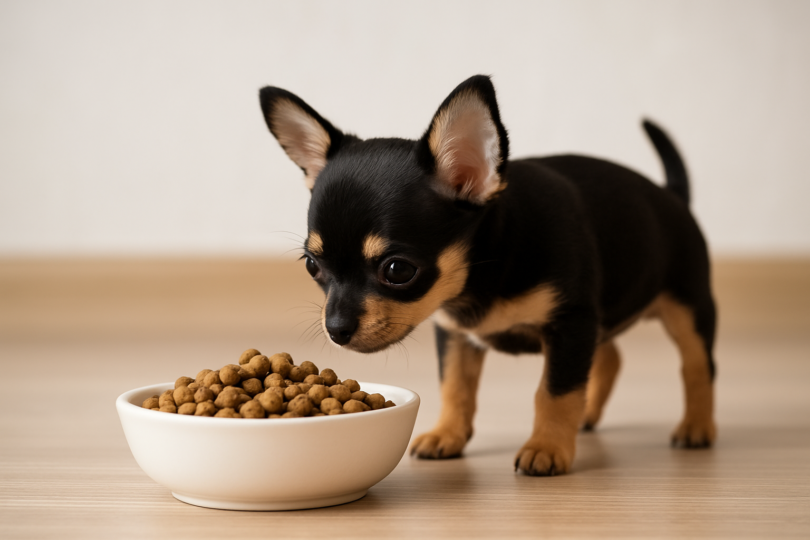
- Made with small kibble size
- Balanced with vitamins and minerals for growth
Feeding the wrong type of food can lead to low energy, poor growth, digestive issues, or even weak bones later in life.
Why Puppy-Specific Food Matters
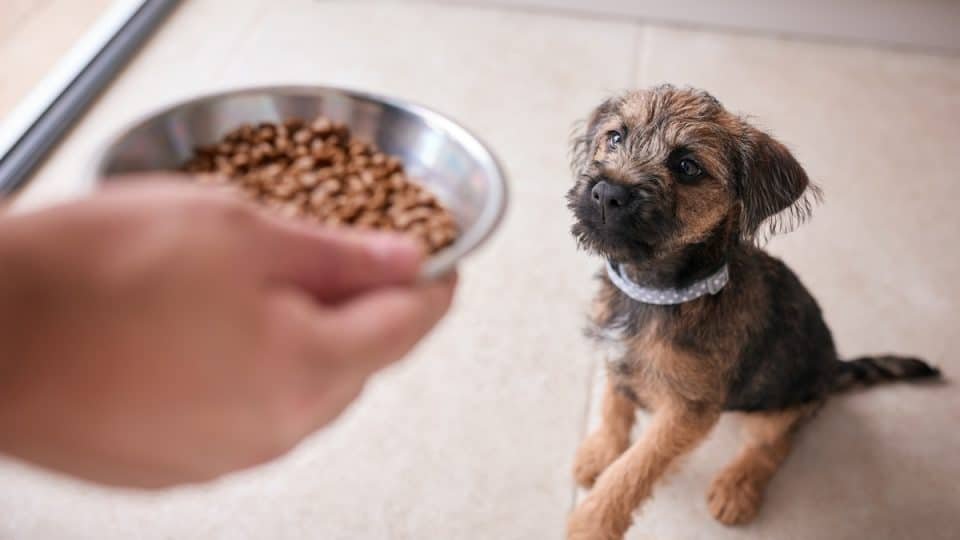
Many new owners wonder if they can feed adult dog food to puppies. The answer is no, especially for small breeds.
Puppy food is designed to support:
- Brain development
- Bone and teeth growth
- Strong immune system
- Healthy muscles
Adult dog food lacks the extra nutrients puppies need during their most critical growth stage. Always look for food labeled “small breed puppy food” or “puppy formula for small breeds.”
Key Ingredients to Look for in Small Breed Puppy Food
1. High-Quality Animal Protein
Protein is essential for muscle development and overall growth. The best puppy foods list real meat as the first ingredient.
Good protein sources include:
- Chicken
- Turkey
- Lamb
- Salmon
Avoid foods that rely heavily on meat by-products or unnamed meat meals.
2. Healthy Fats for Energy
Small breed puppies need more calories per pound than large breeds. Healthy fats provide energy and support brain development.
Look for:
- Chicken fat
- Fish oil
- Flaxseed
These fats also help maintain a shiny coat and healthy skin.
3. DHA for Brain and Eye Development
DHA is an omega-3 fatty acid that supports brain and vision development in puppies. It’s especially important during the first year of life.
The best dog food for small breed puppies often contains DHA sourced from fish oil.
4. Easy-to-Digest Carbohydrates
Puppies have sensitive digestive systems. Ingredients like:
- Brown rice
- Oatmeal
- Sweet potatoes
are gentle on the stomach and provide steady energy.
Avoid foods with excessive fillers like corn syrup or artificial additives.
5. Small Kibble Size
Small breed puppies have tiny mouths and delicate teeth. Large kibble can be hard to chew and may discourage eating.
Always choose food with small or mini kibble designed specifically for small breeds.
Best Types of Dog Food for Small Breed Puppies
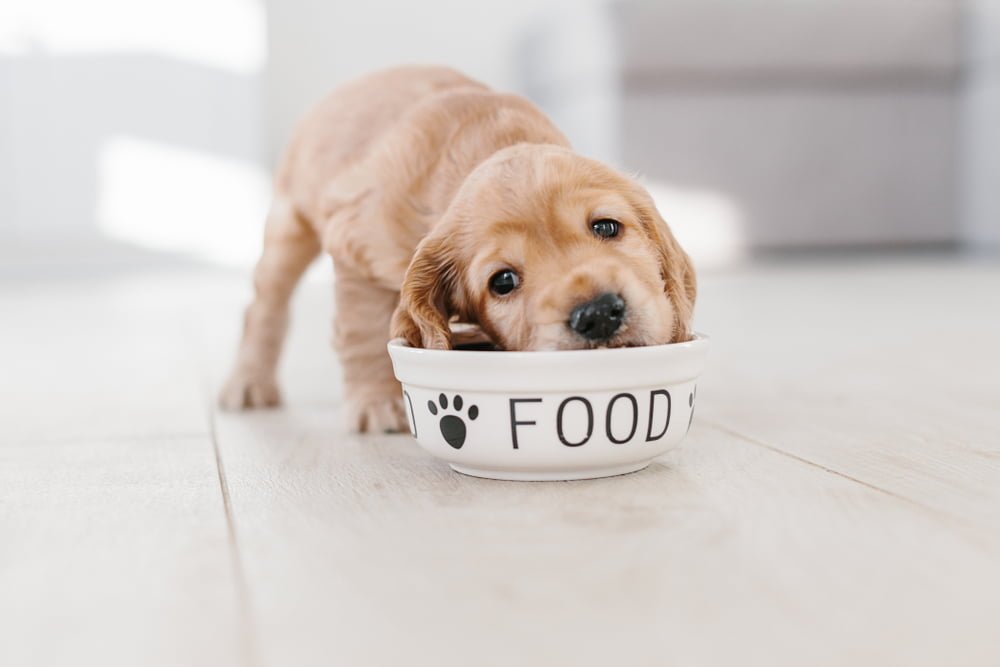
Dry Food (Kibble)
Dry food is the most popular choice because it:
- Helps clean teeth
- Is easy to store
- Is cost-effective
High-quality dry puppy food formulated for small breeds is a great daily option.
Wet Food
Wet food is softer and more flavorful, making it ideal for picky eaters. However, it’s usually more expensive and should be balanced properly with dry food.
Many owners mix wet and dry food to get the benefits of both.
Fresh or Homemade Food
Some pet owners prefer fresh or homemade diets. While this can work, it must be carefully balanced. Without proper guidance, homemade food can lead to nutritional deficiencies.
If choosing this route, consult a veterinarian or canine nutritionist.
How Often Should You Feed a Small Breed Puppy?
Because of their fast metabolism, small breed puppies need frequent meals.
Recommended feeding schedule:
- 6–12 weeks: 4 meals per day
- 3–6 months: 3 meals per day
- 6–12 months: 2–3 meals per day
Skipping meals can cause low blood sugar, especially in toy breeds.
Common Feeding Mistakes to Avoid
Overfeeding
Small puppies don’t need large portions. Overfeeding can lead to obesity, even at a young age.
Always follow the feeding guide on the package and adjust based on your puppy’s activity level.
Giving Table Scraps
Human food can upset a puppy’s stomach and create bad eating habits. Some foods are even toxic to dogs.
Stick to puppy-approved food and treats.
Switching Food Too Quickly
Changing dog food suddenly can cause diarrhea or vomiting. Always transition gradually over 7–10 days.
Signs You’re Feeding the Right Puppy Food
Your puppy is likely on the right food if you notice:
- Steady weight gain
- High energy levels
- Shiny coat
- Firm stools
- Healthy appetite
If your puppy seems lethargic or has digestive issues, consult a veterinarian.
Grain-Free vs Grain-Inclusive Puppy Food
Grain-free diets became popular, but they’re not necessary for most puppies. Whole grains can be a healthy source of energy and fiber.
Choose grain-free only if:
- Your puppy has a diagnosed grain allergy
- A vet specifically recommends it
For most puppies, grain-inclusive food is perfectly safe and nutritious.
When to Switch from Puppy Food to Adult Food
Small breed puppies usually reach adulthood around 9–12 months of age.
Switching too early can deprive them of essential growth nutrients. Always transition slowly and choose a small breed adult dog food when the time comes.
Final Thoughts: Choosing the Best Dog Food for Small Breed Puppies
The best dog food for small breed puppies is one that supports healthy growth, provides high-quality protein and fats, and is easy for small mouths to eat. Always choose puppy-specific formulas made for small breeds, read ingredient labels carefully, and avoid low-quality fillers.
Every puppy is unique, so observe how your dog responds to food and adjust if needed. With the right nutrition, your small breed puppy will grow into a strong, happy, and healthy adult dog.